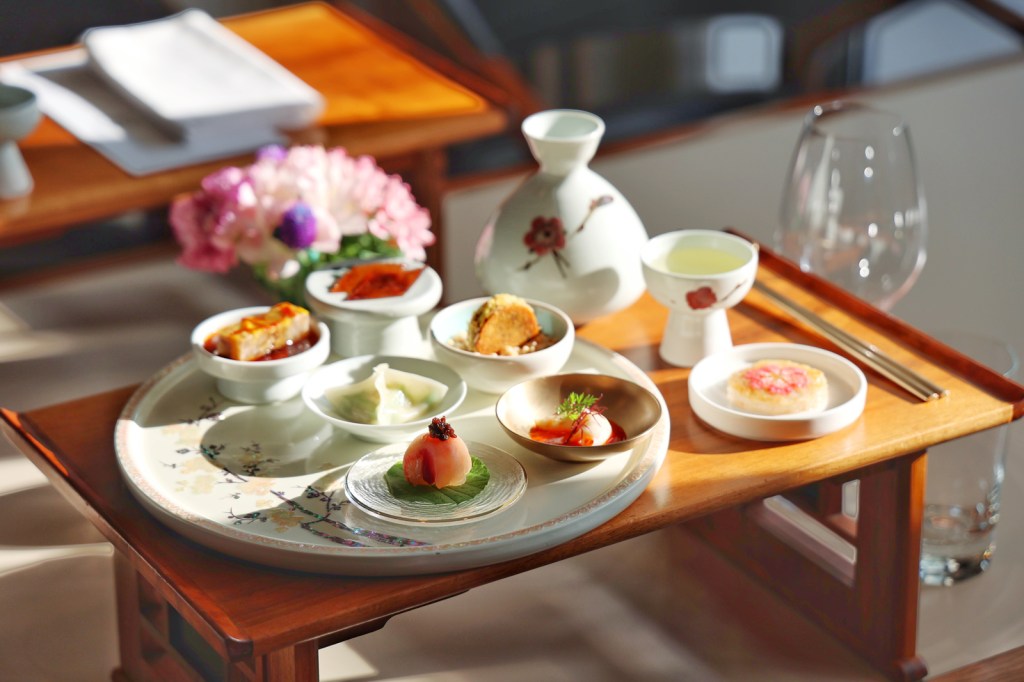
Dining in Korea isn’t just about food — it’s a reflection of the country’s deep-rooted values of respect, harmony, and mindfulness. As a foreigner, no one expects you to get everything perfect, especially at first. But Korea is a society that thrives on living considerately with others, and showing awareness of dining etiquette is a small but meaningful way to adapt and integrate.
If you’re thinking of living well in Korea, learning a few of these dining tips will help you navigate meals more comfortably — whether with friends, coworkers, or elders — and show your respect for the culture.
General Table Manners
- Begin your meal by tasting the soup or kimchi juice first, then move on to rice and side dishes.
- Use the spoon for soup and rice.
- Use chopsticks for side dishes and solid foods.
- Do not hold the rice or soup bowl in your hand during the meal.
- Avoid poking around in the dishes with your spoon or chopsticks.
- Refrain from making noise by hitting bowls or plates with your utensils.
- Do not pick out ingredients you dislike or shake off seasonings from the food.
Politeness and Cleanliness While Eating
- Avoid leaving traces of food on your spoon when eating.
- Always keep the area where you eat clean.
- Discard inedible parts (like bones) discreetly by wrapping them in paper — never place them on the table or floor.
- If you have to cough or sneeze, turn away first from the table and cover your mouth or nose with a napkin or hand.
- Always chew with your mouth closed and avoid making chewing noises.
- Do not stuff your mouth with too much food while eating.
- Do not use hands to pick up food — always use chopsticks or utensils.
- Eat calmly and respectfully, keeping your posture tidy and your gestures minimal.
Respecting Others at the Table
- Try to eat at a similar pace as others — not too fast or too slow.
- Observe the people you are eating with if they are getting enough food as everyone should be able to eat well.
- Do not leave the table before others (especially elders) have finished eating.
- Wait for elders to begin the meal first, and also to finish — they usually put down their chopsticks to signal the end.
- Avoid reaching across the table — politely ask someone nearby to pass food.
- Use a separate plate for communal dishes and dipping sauces.
- Do not read, use your phone, or watch TV while eating — shared meals are meant to be respectful and present.
Wrapping Up the Meal
- At the end of the meal, it’s common to drink sungnyung (scorched rice tea) poured into the rice bowl.
- Return your spoon and chopsticks to where they were originally placed.
- Fold used napkins slightly and place them neatly on the table.
- If using a toothpick, cover your mouth with one hand and dispose of it discreetly.
These tips represent general Korean dining etiquette and are meant to offer a helpful starting point. Keep in mind that etiquette may vary depending on the setting — whether you’re eating with elders, coworkers, friends, or in formal occasions. Some customs may be more relaxed these days, while others are still observed carefully.
Still, understanding these basics will give you a good foundation and help you navigate Korean meals with more ease and confidence. Living in Korea as a foreigner means lots of learning moments — and dining with respect is a great place to start.
 Foreigner Living in Korea
Leave a comment