Navigating the streets of South Korea, you will quickly notice the abundance of coffee shops. Seriously, they are everywhere. Tucked away in small alleys, shining with their big signs around the bustling business areas, and even stretching multiple floors in modern buildings.
This may seem unusual as it is quite a lot. However, it is not something that might die down in a few years like a trend, it is actually a deep-rooted cultural phenomenon. South Korea has truly embraced coffee with open arms, consuming it at a rate that’s quite impressive. You might be surprised to learn that Koreans consume an astonishing 367 cups per person annually, ranking second globally after France. That’s more than double the worldwide average, and it’s common for about 70% of Korean adults to enjoy at least one cup of coffee every single day.
The big question here is, why are there so many coffee shops? What makes coffee such an integral part of daily life here? As someone who has also experienced this fascinating aspect of Korean culture, I can tell you it goes beyond loving a good brew. There’s a rich blend of social, historical, and practical reasons that have shaped Korea into a coffee paradise.
The Unstoppable Rise of Coffee in Korea
You might be wondering, “How did coffee become a core part of daily life here?” It’s a fascinating journey, and it really picked up speed with the popularization of coffee and the emergence of more accessible, low-cost options.
For many years, instant coffee (you know, the convenient 3-in-1 packets!) was king in Korean households. But as South Korea’s economy boomed and lifestyles became more globalized, a shift began. People started seeking out different experiences, and the coffee shop scene blossomed.
Initially, larger, often international, chains like Starbucks played a significant role in popularizing café culture. However, with rising living costs and, more recently, increases in global coffee bean prices (yes, even here, we’ve seen “coffee inflation”!), there’s been a noticeable shift in consumer behavior. Many Koreans are becoming increasingly price-sensitive, which has fueled the incredible growth of low-cost coffee businesses.
You’ll see these brands everywhere . Think Mega MGC Coffee (메가엠지씨커피) or Compose Coffee (컴포즈커피), often offering a delicious Americano for around ₩1,500 to ₩2,000. These aren’t just cheap options; they have smartly focused on efficiency, often emphasizing take-out services, and they’ve shown that affordable coffee can still be really good quality. It is a testament to the innovation in this market! They have expanded rapidly, sometimes adding thousands of new stores in just a few years, making coffee an even more accessible daily ritual for everyone, from busy students to working professionals.
This is not to say premium coffee has disappeared – far from it! There’s a growing appreciation for specialty coffee as well, with many seeking out unique flavors and high-quality beans. But the sheer volume and accessibility provided by these low-cost chains have played a massive role in cementing coffee as an everyday necessity rather than just an occasional treat.
More Than Just a Selling Coffee: The Café as a Social Hub
If you spend any time in Korea, you will quickly realize that a café is rarely just a place to grab a quick drink. These spaces are deeply woven into the social fabric, acting as important meeting points, study havens, and even escape routes from daily life.
One of the big reasons for this is the living situation many Koreans experience, especially in bustling urban centers like Seoul. You will notice that many apartments and living spaces are smaller compared to what you might be used to in other countries. This means that homes are not always ideal for extended social gatherings, study sessions, or even quiet contemplation.
This is where the café truly shines. It steps in as what sociologists call a “third place”—a neutral, comfortable public space distinct from home (first place) and work/school (second place). It’s where friends catch up, couples go on dates, and colleagues hold informal meetings. You’ll see groups chatting for hours over a single drink, without any pressure to leave quickly, which might feel different from the cafe culture in your home country.
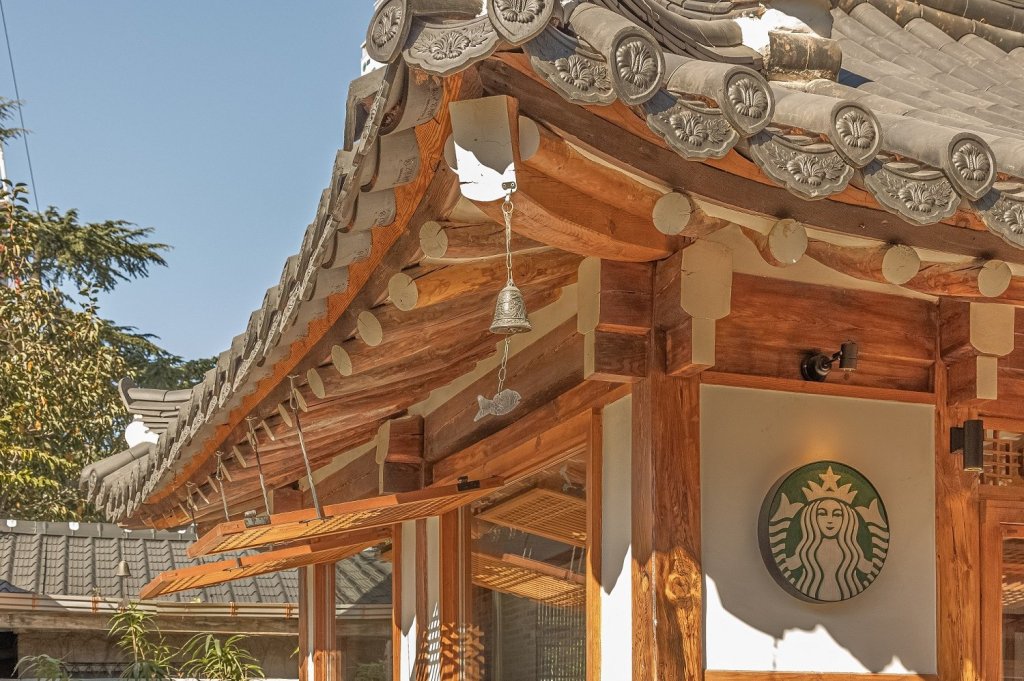
Adding to this vibrant scene are the incredible themed cafés. These coffee spots were made to provide immersive experiences. You could find yourself sipping a latte surrounded by adorable rescue dogs at a dog café, stepping into a comic book world at a 2D-themed café (like Greem Cafe (그림카페), which looks like a drawing!), or even enjoying a quiet moment in a traditional Korean house, a Hanok (한옥), repurposed into a modern café.
These themed spaces are without a doubt aesthetically pleasing and incredibly “Instagram-worthy”. Perfect for sharing your experiences with friends and family back home. Some also cater to specific interests and hobbies. Whether you’re a fan of a particular K-Pop group (yes, there are fan-cafes for idol birthdays!), love animals, or simply appreciate unique interior design, there’s likely a themed café that will capture your imagination. They transform a simple coffee run into a mini-adventure, offering novelty and a chance to truly unwind and connect.
It’s truly fascinating to see how these cafes adapt and evolve to meet diverse social needs, don’t you think?
Coffee as Fuel: Study, Work, and the Fierce Competition
Beyond being social hubs, you’ll also notice that Korean cafes are incredibly popular spots for studying and working. This phenomenon even has its own casual term: “ca-gong (카공)”, a blend of “cafe” and “gongbu (공부),” the Korean word for studying.
It’s a common sight to see students and even working professionals camped out for hours with their laptops, textbooks, and, of course, a steady stream of coffee. Why here, and not a quiet library or home? Well, in a culture that truly values hard work and academic achievement, cafes offer a unique blend of benefits. They provide free Wi-Fi, abundant power outlets (a blessing for laptop users!), and a comfortable, yet stimulating, environment. For many, especially those living in smaller spaces or goshiwons (고시원) – tiny, often budget-friendly rooms – cafes offer a much-needed sense of space and focus that their home might not provide. The gentle hum of background noise in a cafe can actually aid concentration for some, creating a productive atmosphere without the absolute silence of a library.
This high demand for café spaces, combined with the sheer number of coffee shops, has led to incredibly fierce competition within the industry. If you walk down any major street, you’ll likely see several different coffee brands vying for your attention. This intense competition means cafes are constantly innovating to attract and retain customers.
You’ll see businesses adapting in various ways:
- Diverse Menus: Many cafes are expanding beyond just coffee, offering a wide array of non-coffee beverages, elaborate desserts, and even savory bakery items. This encourages customers to stay longer and spend more.
- Unique Experiences: As we touched on earlier, themed cafes are a prime example of this. But even non-themed cafes focus heavily on bun-wi-gi (분위기), the atmosphere or vibe. Expect stunning interior designs, comfortable seating arrangements, and thoughtful details that make each visit feel special.
- Customer Service & Technology: From self-service kiosks for ordering to mobile apps that offer loyalty points and easy payment, cafes are leveraging technology to enhance convenience and efficiency. You might even find places with automated baristas!
- Specialty vs. Low-Cost: The market is bifurcated, with both high-end specialty coffee shops focusing on unique beans and expert brewing (often with baristas who have won national or even world championships!) and the ever-expanding low-cost chains that prioritize affordability and speed. Both are constantly evolving to meet consumer needs.
- Adapting to “Ca-gong-jok (카공족)”: While students and workers are a huge customer base, their long stays can impact table turnover. Some cafes have subtly (or not-so-subtly) adapted their spaces, perhaps with slightly less comfortable chairs for long periods or by implementing time limits or minimum purchase requirements, especially during peak hours. It’s an ongoing balance between providing a welcoming study environment and ensuring profitability.
This constant pressure to innovate means that as a coffee lover or someone just looking for a nice place to sit, you’re constantly treated to new and exciting options. It’s a testament to the dynamic spirit of Korea itself!
From Royal Brews to Modern Cafés: A Brief History
To truly understand Korea’s current coffee obsession, it’s helpful to glance back at its fascinating history. While modern cafes might seem like a recent phenomenon, the concept of a “tea room” or gathering space with beverages has been around for a long time.
The story of coffee in Korea actually begins in the late 19th century. You might be surprised to learn that King Gojong (고종), one of Korea’s last monarchs, is often credited with being one of the first Koreans to develop a taste for coffee. He reportedly enjoyed it after being introduced to it by a German woman named Antoinette Sontag at the Russian Legation in 1896. He even had a special Western-style building constructed in his palace, Jeonggwanheon, where he could enjoy his daily brew!
Following this royal introduction, the first public “coffee shops” began to emerge, known as “dabang (다방).” The word dabang literally means “tea room” (다 meaning tea, 방 meaning room), but these places quickly became much more than just tea houses. Especially during the Japanese colonial period and after the Korean War, dabang became vital cultural and social hubs.
Imagine a space where intellectuals, artists, and even politicians would gather to discuss ideas, write, or simply escape. That was the dabang! They were often the centers of cultural movements, where poetry readings, music performances, and lively debates took place. While initially for the elite, dabang gradually opened up to a wider public, becoming popular spots for dating, business meetings, and general socializing in an era when public gathering places were few. You might even find some older, more traditional dabang still operating today, offering a nostalgic glimpse into this bygone era, perhaps even serving a classic ssanghwacha (쌍화차), a traditional herbal tea.
A significant turning point came with the Korean War (1950-1953) and the subsequent influx of American soldiers, who introduced instant coffee. This convenient, affordable option quickly became incredibly popular. Later, in the 1970s, the launch of “coffee mix (커피믹스)” – those ubiquitous individual sachets combining instant coffee, sugar, and creamer – by companies like Dongsuh Foods completely revolutionized coffee consumption, making it accessible to virtually everyone, everywhere. You’ll still see these coffee mixes in offices and homes across Korea!
From there, the landscape continued to evolve. The 1980s saw the introduction of espresso machines and a growing interest in diverse coffee types. Then, in the late 1990s, the arrival of international coffee chains like Starbucks further propelled the modern café culture, emphasizing specialty coffee and a contemporary ambiance. Korean entrepreneurs quickly followed suit, leading to the diverse and innovative café scene you see today.
So, while the sleek, modern cafes might feel very new, they stand on the shoulders of a rich history, evolving from royal tastes and intellectual salons to the democratic, multifaceted spaces we cherish today. It’s a journey that truly reflects Korea’s dynamic spirit!
The next time you are navigating the bustling streets of South Korea, I truly hope you will step into one of its countless coffee shops. What might initially seem like an overwhelming number is actually an invitation to experience a deeply woven part of Korean daily life. These spaces are dynamic social hubs, havens for focused work or study, and incredible showcases of innovation and design. From the budget-friendly delights of a Mega Coffee Americano to the immersive charm of a themed café, a unique experience waits around every corner.
Embrace the opportunity to slow down, soak in the bun-wi-gi (분위기), and witness firsthand how coffee culture here seamlessly blends historical roots with modern trends. Whether you are catching up with friends, diving into some “ca-gong (카공),” or simply enjoying a quiet moment, exploring Korea’s diverse coffee shops is an essential part of understanding and loving this vibrant country. Which café will you explore first?
 Foreigner Living in Korea
Leave a comment