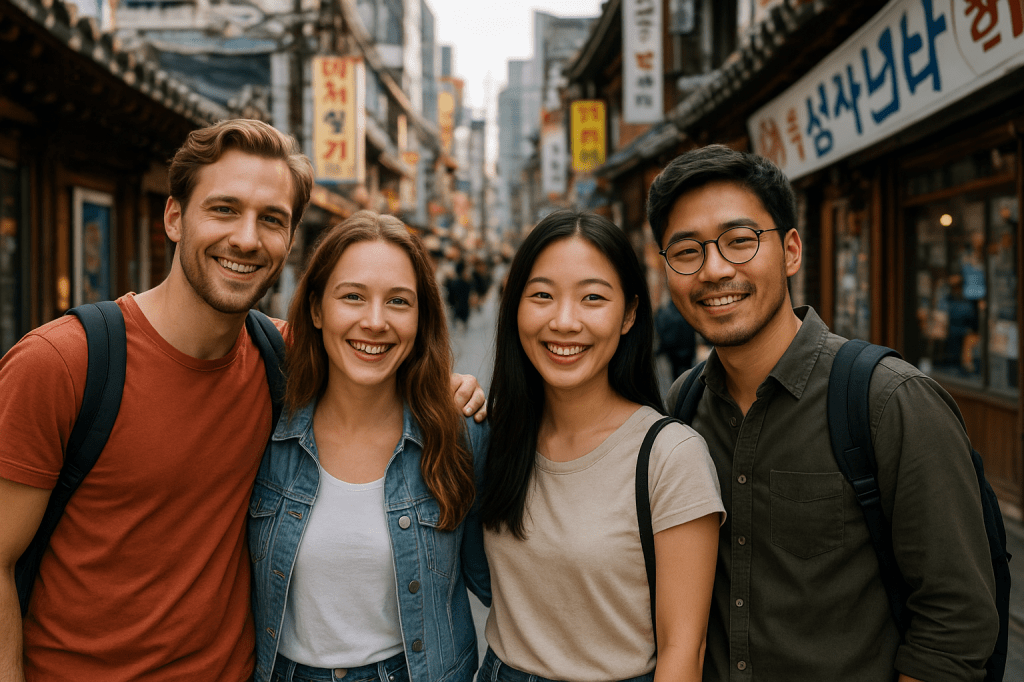
Living in any country outside of your home will, of course, not be easy! You’re lucky if you have someone to tell you the good and the bad that come with it. It’s like having a warning and information on a package label—and that’s the best way to get everything you need to know, so you’re aware of what you’re getting yourself into. That’s what I want to give you: the good and the bad of living in Korea as a foreigner. Of course, the bad side shouldn’t stop you from living your life! Take anything that might be helpful as you go.
1.Culture and Social Etiquette
1.1 Korean Culture
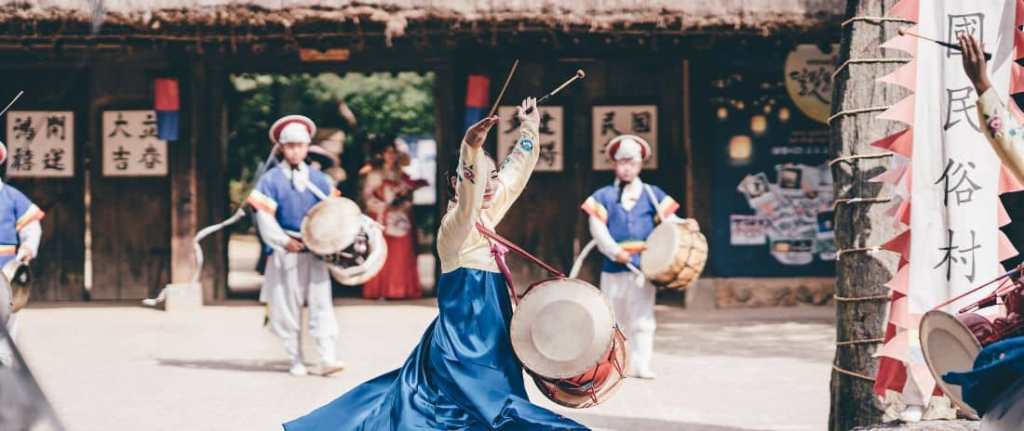
Korean culture may be considered strict, especially when it comes to hierarchy, respect for elders, and social norms. There are solid expectations around behavior, appearance, and communication, particularly in workplaces and formal settings. As a foreigner, you may be exempted in some. Usually, age and status determine how people interact, and there is a strong emphasis on conformity and group harmony. While this structure can feel rigid as it may be new to foreigners, understanding and adapting to these cultural expectations can help ease daily interactions and build stronger relationships in Korea.
1.2 Language Learning
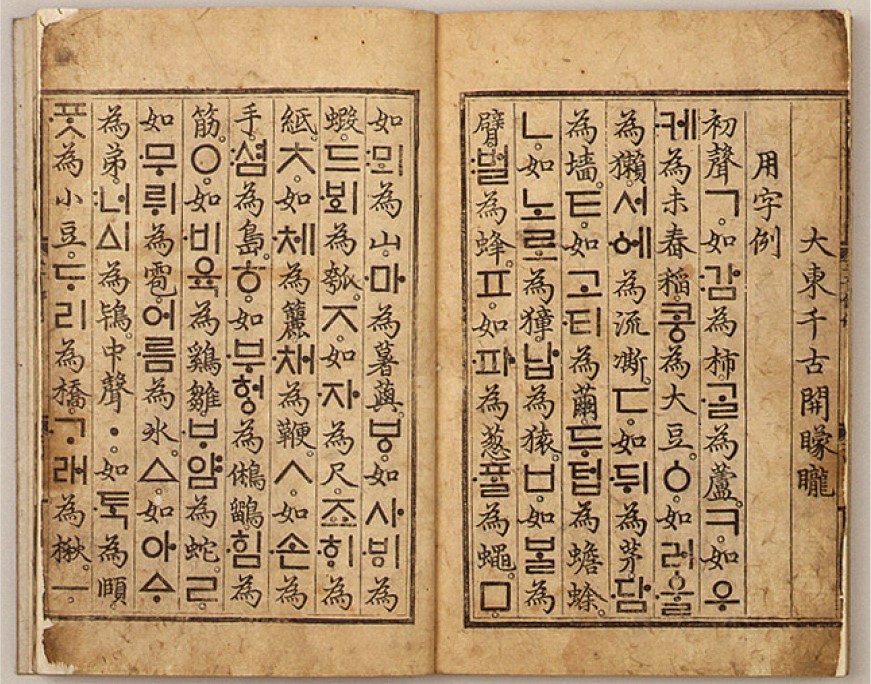
The Korean language is relatively structured, especially in the beginning stages. The writing system, Hangul, is logical and phonetic, making it easy to learn compared to other Asian scripts. In fact, you can memorize the alphabet in just a day. Korean grammar follows consistent patterns, and the language builds in levels from basic sentence construction to more complex honorifics and formalities based on social context. While pronunciation and nuances can be tricky, especially with politeness levels and vocabulary rooted in Sino-Korean origins, the overall structure makes it possible to progress steadily with regular study and practice.
If you are worried about going around Korea without knowing the language well, rest assured that in major cities, many signs, subway systems, and menus are available in English. Apps like Papago and Google Translate can help with real-time communication, and locals often try their best to assist foreigners. Still, even learning a few basic Korean phrases will make your life smoother, help you connect with people, and show respect for the culture.

1.3 Saying “No” in the Korean Way
Saying “no” in Korean isn’t always straightforward because Korean culture tends to favor indirectness and politeness out of deep respect for others’ feelings. While the basic ways to say “no” are 아니 (casual) and 아니요 (polite), there are many other context-specific expressions. For example, to say you can’t do something, you might use 못 가 (can’t go), and to say something isn’t allowed, you would say 안 돼요 (polite) or 안 돼 (casual). Additionally, 안 and 아니다 are used to negate verbs and describe things that are “not” true, like in 안 먹어요 (I don’t eat) or 학생이 아니에요 (I’m not a student). These variations allow you to say “no” in ways that are softer and more situationally appropriate, which is key in a culture that values maintaining harmony and saving face.
1.4 Western Influence in Korea
Western influence in South Korea is evident through educational exchange programs introducing Western teaching methods, critical thinking, and liberal arts curricula, the spread of Christianity by American missionaries since the early 20th century shaping religious and political life, the influx of Hollywood media influencing entertainment and youth culture, the rise of Western sports like baseball, and the impact of democratic legal frameworks post-1980s. This cultural reinterpretation, driven by historical factors like American military bases, education abroad, and global tech advancements in animation, cinema, and video-gaming, is reflected in innovations like “toast” sandwiches, kimchi-topped pizza, and reinvented hot-dogs, as well as English loanwords such as “ice cream,” “hand phone,” and “eye shopping.”

Western luxury fashion has also made a significant mark—not only captivating the youth but also embraced by the boomer generation—making brands like Gucci, Louis Vuitton, and Chanel status symbols across age groups. In the culinary scene, European and Western-style luxury fine dining is highly popularized, with Michelin-starred French, Italian, and fusion restaurants becoming aspirational dining experiences. The youth are particularly susceptible, increasingly speaking English, embracing Western food, lifestyles like hygge and Europe’s chill work culture, and adopting Western fashion and music, amplifying this dynamic exchange.
2.Adjusting to a New Life

2.1 Living in Your Home Country vs. South Korea
Many migrants in South Korea naturally fall into the habit of comparing their new environment with their home country—it’s a way of making sense of the unfamiliar. At first, this can lead to a kind of emotional whiplash: some are amazed by Korea’s efficiency, safety, and modern infrastructure, while others feel frustrated by cultural differences or systems that don’t work the way they’re used to. These feelings—whether of awe or disillusionment—can linger for months or even years, often depending on how deeply someone integrates or how much they idealized either place. Over time, though, many find that the extremes soften, and they begin to see both countries with clearer, more balanced eyes—acknowledging the flaws and strengths of each without the need to constantly compare.
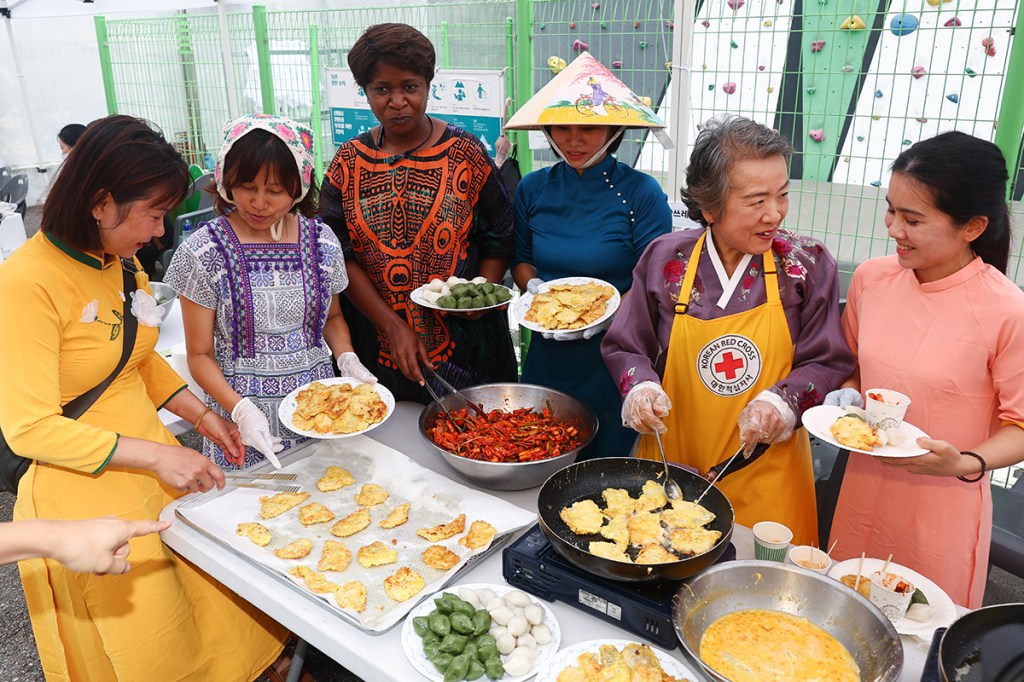
source: yonhap news
2.2 Multicultural Family Support
Multicultural families in Korea—often consisting of a Korean spouse and a foreign partner—can face unique challenges, from language barriers to different child-rearing styles. While daily life can be rewarding, navigating cultural differences and adjusting to Korean society isn’t always easy. To address these needs, the government offers various support programs, many of them provided through Multicultural Family Support Centers located in most cities and towns across the country. These centers aim to promote cultural integration, improve family relationships, and help foreign spouses settle into Korean life.
How to Use the Multicultural Family Support Center
- Become a member and apply for programs at your local center.
- Operating hours: 09:00–18:00 on weekdays (some centers also run weekend programs—check with your nearest location).
- Cost: Most services are free, though some programs (like certain visiting education services) may have small fees based on income.
Main Services Offered:
- Korean Language Education
- Classes from Level 1 to 4 (100 hours each).
- Special courses for job seekers.
- For marriage immigrants and immigrated children.
- Cost: Free.
- Interpretation and Translation
- Languages include Vietnamese, Chinese, English, Tagalog, Mongolian, Thai, Russian, Indonesian, Khmer, Japanese, and Nepalese (availability may vary by center).
- For multicultural families and related organizations.
- Cost: Free.
- Counseling and Case Management
- Psychological evaluation, legal advice, emergency family support, and referral services.
- Cost: Free.
- Social and Occupational Training for Marriage Immigrants
- Includes character training, job preparation at New Job Centers, consumer education, multiculturalism workshops, and support groups.
- Cost: Free.
- Family Education
- Couple counseling, parenting classes, conflict resolution programs, and family relationship improvement workshops.
- Cost: Free.
- Multicultural Children’s Language Development
- Language assessment and development programs for children under 12, plus parenting support.
- Cost: Free.
- Visiting Education Service (Children’s Life)
- Reading coaching, homework help, and life guidance for multicultural and immigrated children aged 3–12.
- Cost: Free or income-based fees.
- Bilingual Environment Support
- Helps families raise children in a bilingual household, promoting healthy communication and cultural connection.
- Cost: Free.
While these resources can be incredibly valuable, some families, especially in rural areas, still report feeling socially isolated or encountering subtle prejudice. Building strong support networks and making active use of available services can make a big difference in both adjustment and long-term integration.
For more details and to find your nearest center, visit: www.liveinkorea.kr

2.3 Making Friends and Social Life
Building a social life as a foreigner in South Korea can be both rewarding and approachable by taking a few intentional steps to connect with locals and other expatriates. Learning basic Korean phrases, such as “안녕하세요” (Hello) or “잘 지냈어요?” (How have you been?), demonstrates respect and effort, breaking the ice and making Koreans feel more comfortable engaging with you, even if your skills are beginner-level. Joining language exchange communities through apps like HelloTalk or Tandem, or attending in-person events at cafes in areas like Hongdae or Gangnam, provides opportunities to meet Koreans eager to practice English, often leading to deeper friendships over coffee or weekend outings. Additionally, participating in clubs or classes—such as K-pop dance groups, cooking classes, or hiking groups—offers a fun, low-pressure way to bond over shared interests, regardless of your skill level, fostering connections through regular interaction and shared experiences.

2.4 Social Acceptance
A recent report by the Korea Institute for Health and Social Affairs reveals that while 38.7% of 3,011 surveyed Koreans are willing to accept immigrants as neighbors and 30.51% as colleagues, only 8.37% would accept them as family members, highlighting a significant reluctance for closer relationships. Younger Koreans (ages 19-34) are more open to forming close friendships with immigrants (30.2%), but their acceptance as family remains low at 8.6%, while older Koreans (65+) are most likely to accept immigrants only as neighbors (57.9%) and least likely as family (5.05%), with 7.5% rejecting immigrants entirely. Acceptance varies by immigrant type, with refugees facing the highest rejection (only 1.83% of younger Koreans accept them as family) compared to relatively higher acceptance of marriage migrants and permanent residents. The study emphasizes the need for tailored policies that account for generational attitudes and the specific characteristics of different immigrant groups to enhance public acceptance and policy effectiveness.
2.5 Drinking Culture
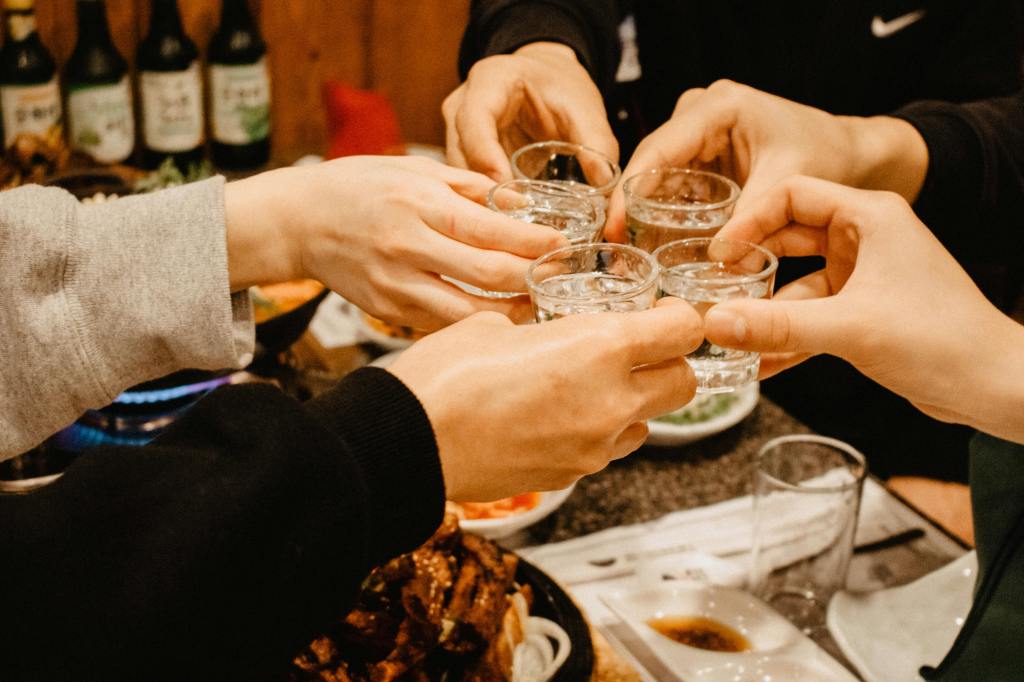
With Koreans statistically consuming more alcohol than any other Asian nation, particularly favoring soju, which is widely accessible at low prices (as little as 1,500 won per bottle) in convenience stores and supermarkets without strict regulations on hard liquor sales. Drinking is seen as a way to break the ice and foster closer relationships, making it nearly inescapable in social settings, from casual meetups to work-related dinners (hoesik), where bonding with colleagues and bosses is emphasized, and non-attendance is often frowned upon. This tradition traces back centuries to rituals honoring ancestors, though today it serves more as a social lubricant, with modern Korea offering an array of hangover remedies, from pre-drinking drinks to grapefruit ice cream and specific soups, mitigating the consequences of heavy drinking. While moderation is advised, joining locals for a night of soju can be a fun way to immerse oneself in Korean culture, especially when armed with phrases like “cheers” in Korean and a trusty hangover cure.
2.6 Dining Etiquette
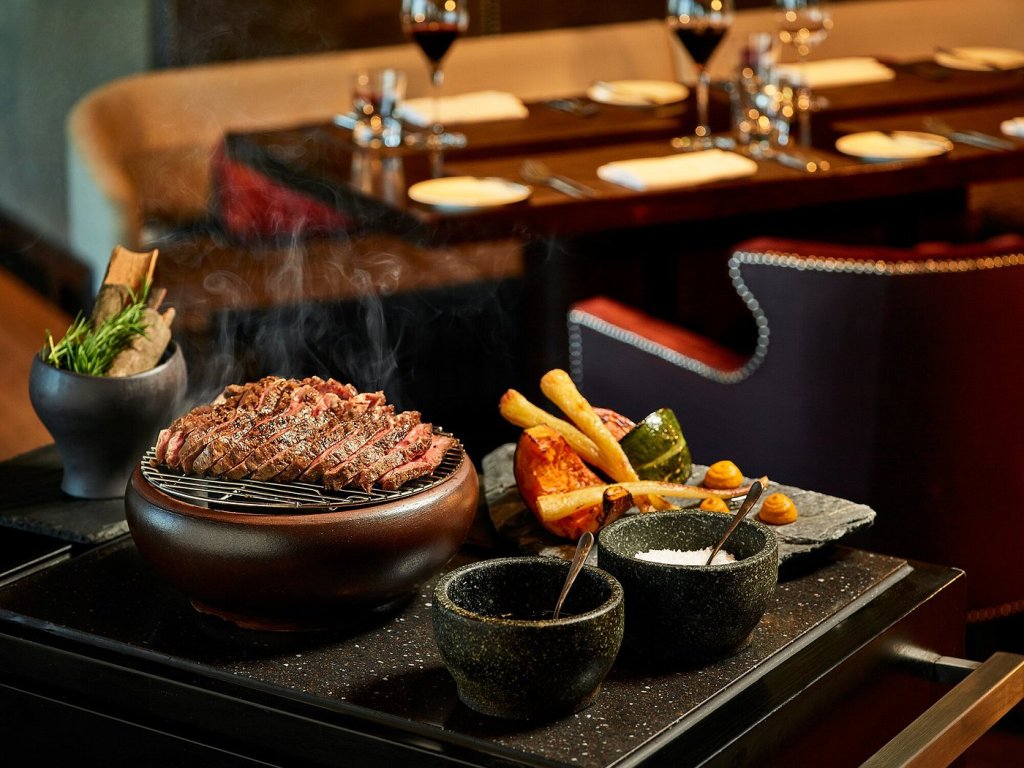
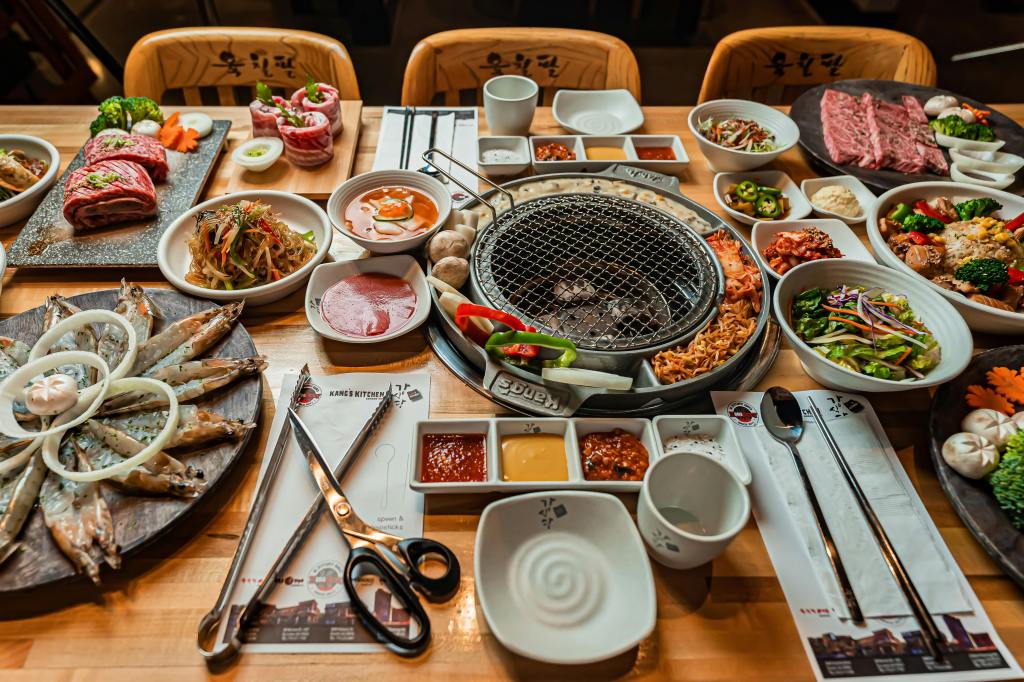
Korean dining etiquette reflects the culture’s values of respect, harmony, and appreciation, starting with saying “Jal-mukkes-seub-nida” (I will eat well) to express gratitude for the meal, and allowing elders to begin eating first to honor tradition. Meals typically start with soup or stew to prepare the palate, using chopsticks for dishes and a spoon for rice and soup, while keeping the rice bowl on the table and avoiding funeral-associated actions like sticking chopsticks in rice. Sharing is central, so take modest portions from shared dishes, balance flavors across spicy, mild, and cooling dishes, and eat calmly without slurping or rushing to savor the meal fully. Stay engaged with dining companions, avoiding distractions like phones, and show respect by passing items with both hands and pouring drinks for others while allowing them to refill yours. Conclude the meal by placing utensils beside the bowl, finishing all food, and saying “Jal-muhguhs-seub-nida” (I ate well) to express appreciation. For a more elaborate guide, you may visit this blog.
2.7 Tipping Practices
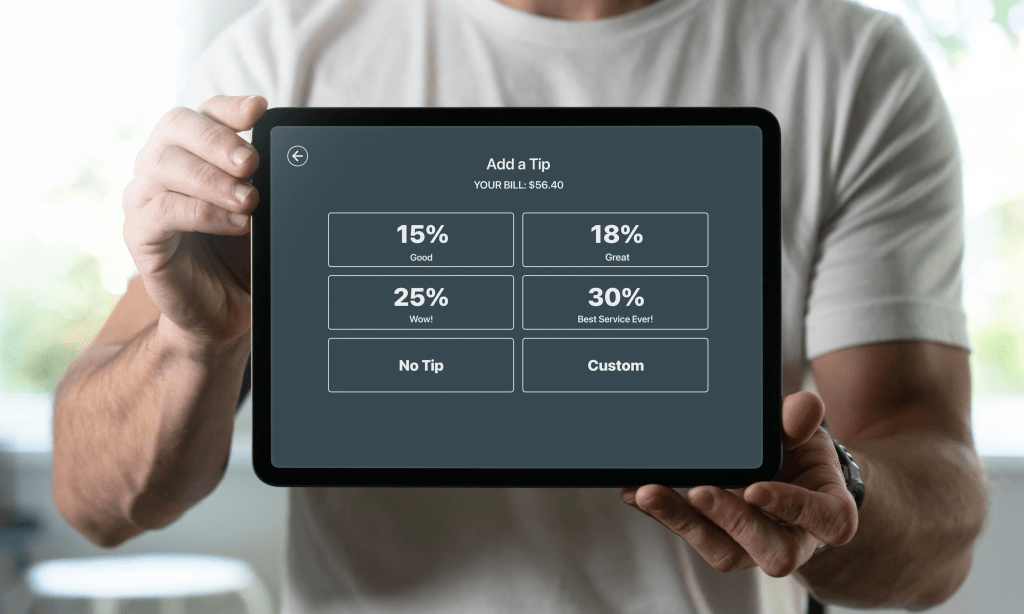
In South Korea, tipping is not a customary practice in restaurants, taxis, hotels, or most service-related settings, as the culture emphasizes mutual respect and egalitarianism, with service charges already included in listed prices. Instead of tipping, expressing gratitude through polite phrases like “kamsahamnida” (thank you) or “annyeonghaseyo” (hello) is the preferred way to show appreciation. Interestingly, as a customer, you may often receive “service” (서비스), such as complimentary side dishes, drinks, or small extras provided by the establishment, which is essentially the opposite of giving tips and reflects the Korean hospitality ethos. While some high-end or tourist-oriented establishments may accept tips, this remains uncommon and can even be perceived as unusual or rude in traditional settings.
3.Work and Career

3.1 Work Culture
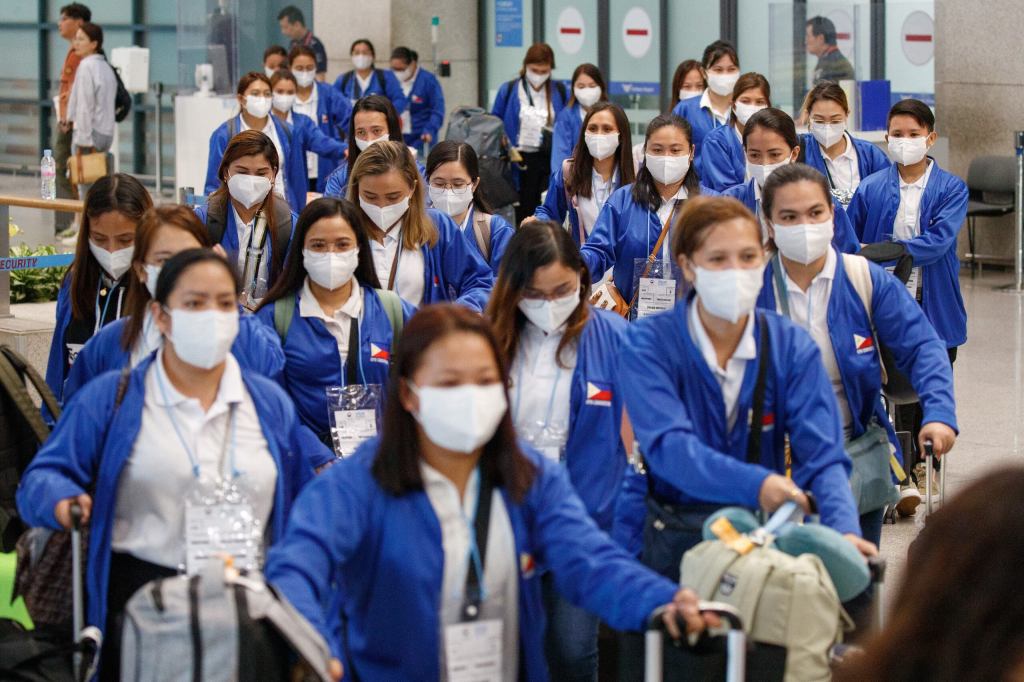
Traditional Korean work culture, marked by long hours exceeding the OECD average, rigid hierarchical structures, intense company loyalty, mandatory after-work gatherings like hoesik, and a competitive job market with a stark divide between secure and unstable employment, is undergoing significant transformation. Younger generations are increasingly rejecting the culture of presenteeism and advocating for shorter workweeks and better work-life balance, prompting the South Korean government and progressive companies to introduce more flexible work arrangements and prioritize employee well-being. This shift reflects growing awareness that long hours do not necessarily enhance productivity, with a focus on more effective work practices and evolving social attitudes aimed at addressing the negative impacts of traditional work culture on mental health and social issues.
source: the chosun daily
3.2 Job Market for Foreigners
South Korea’s job market for foreigners is expanding, driven by a shrinking domestic workforce and a growing economy, with over 1 million foreign residents now employed, according to Statistics Korea. Beyond the traditional demand for English teachers, there is a notable shift towards diverse roles, including full-time positions in technology and manufacturing, as well as internships leading to permanent employment for Korean university graduates. Companies are increasingly valuing skilled foreign professionals, moving away from viewing them solely as high-level executives or low-wage laborers. Job opportunities increase significantly if you can speak Korean well and/or specialize in a particular skill. However, unless an employer cannot find a suitable Korean candidate for that position, they are less likely to hire a foreigner. Korean language proficiency remains a significant advantage for securing roles outside of teaching.
4.Infrastructure and Everyday Convenience
4.1 Public Space Etiquette
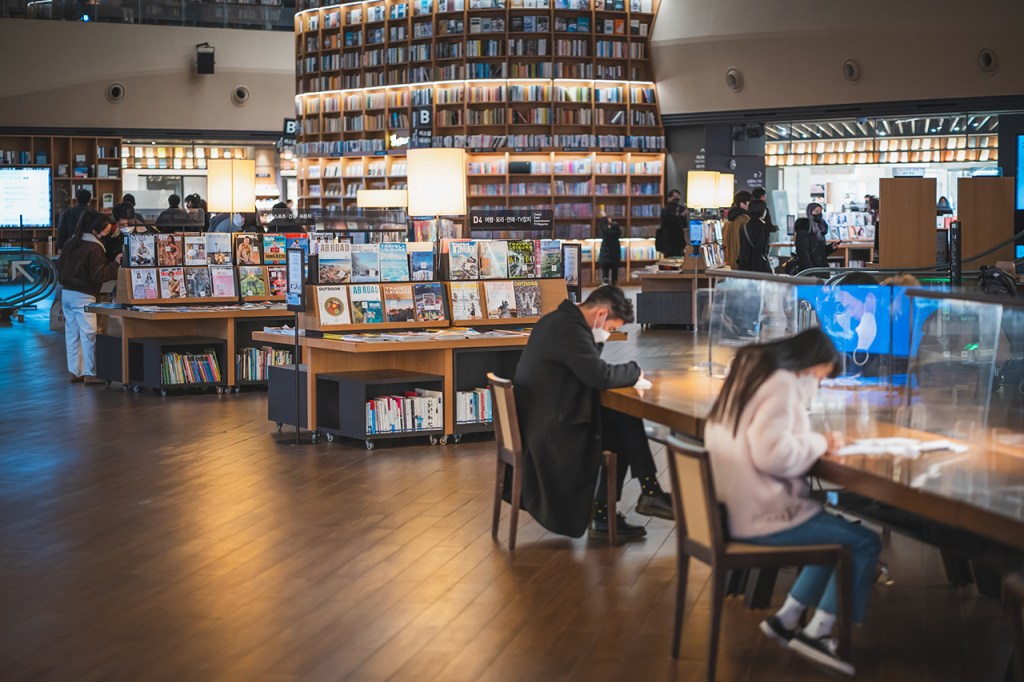
Korean public etiquette emphasizes respect and consideration for others, particularly in shared spaces. On public transportation, maintaining silence is key, as locals typically avoid talking and focus on their phones or rest, while priority seats must remain vacant for the elderly or pregnant, regardless of crowding. When eating or drinking outdoors, be mindful of littering, as public bins are scarce, and carry trash with you, especially since eating on Seoul’s public buses is now illegal, and courtesy is expected on trains by avoiding smelly foods and cleaning up. Gesturing with a single finger, particularly the index or middle finger, is considered rude; instead, use your whole hand, palm up, to motion or call attention. Queueing patiently is a cornerstone of Korea’s polite society, with organized lines common at stations and shops, and pushing ahead is frowned upon, reinforcing the cultural value of harmony and respect in public interactions.
4.2 Transportation
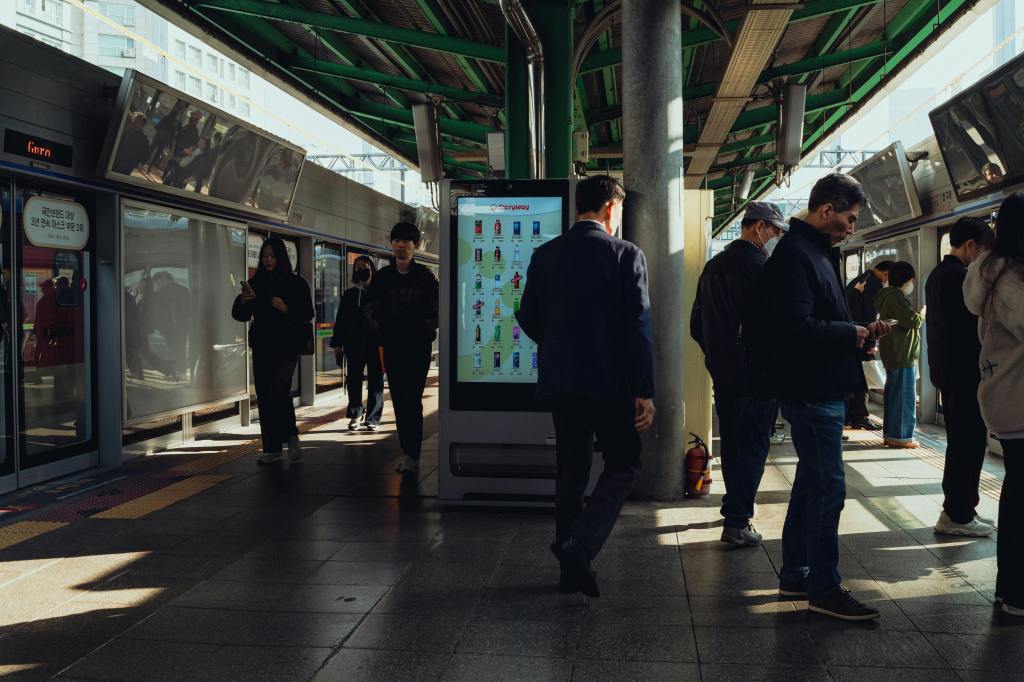
South Korea boasts one of the most efficient and affordable transportation systems in the world. The extensive subway networks in cities like Seoul, Busan, and Daegu are punctual, clean, and multilingual—signs and announcements are provided in Korean, English, Chinese, and Japanese. Subway rides cost around 1,250 won (~$1 USD) with a rechargeable T-money card, which also works for buses and some taxis. Intercity trains like the KTX offer high-speed travel across the country, making weekend getaways easy. Buses, both local and long-distance, are frequent and reliable. However, rural areas can be trickier to navigate without basic Korean skills or access to a car, as transport services become less frequent and signs may lack English translations.
4.3 Delivery Service
Korea’s delivery culture is in a league of its own. Whether it’s a piping hot meal, groceries, documents, or even medicine, it can be delivered to your doorstep within minutes to hours. Apps like Coupang, Baedal Minjok, Yogiyo, and Market Kurly offer round-the-clock delivery with near-flawless service and real-time tracking. Coupang’s “Rocket Delivery” can get packages to your door by dawn if ordered the night before. Even more impressively, many apartments allow delivery riders to leave packages in secure lockers or at your door without needing a signature. However, navigating these apps can be a challenge without Korean language skills, although more are starting to offer English-language interfaces.
4.4 Payment System
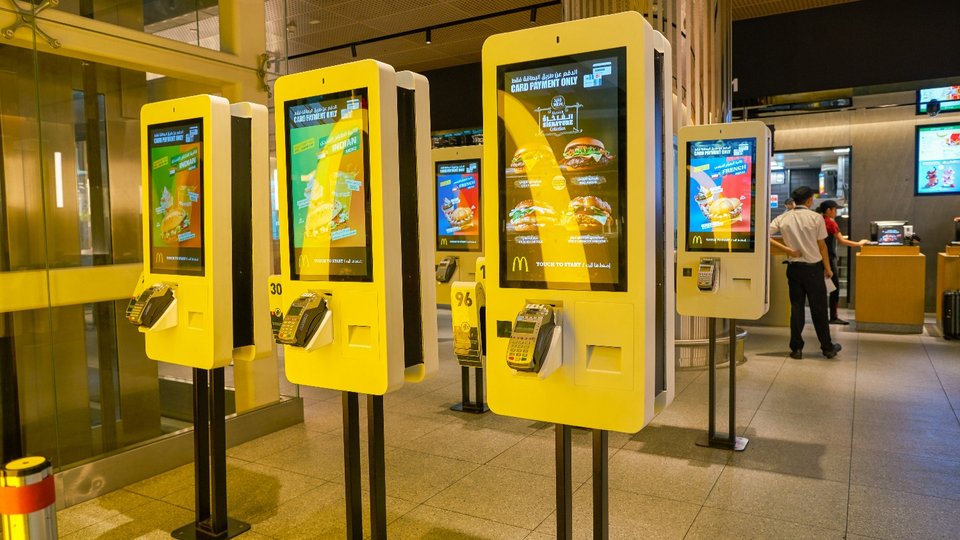
South Korea is moving toward a cashless society at a rapid pace. Credit and debit cards are accepted nearly everywhere, and mobile payments like KakaoPay, Naver Pay, and Samsung Pay dominate daily transactions. Even street food vendors and taxis often accept contactless payments. That said, opening a bank account and setting up these payment apps as a foreigner can involve a fair amount of paperwork and sometimes a proof of residence or Alien Registration Card (ARC). It’s recommended to keep a small amount of cash for rural trips or older establishments that may not accept digital payments.
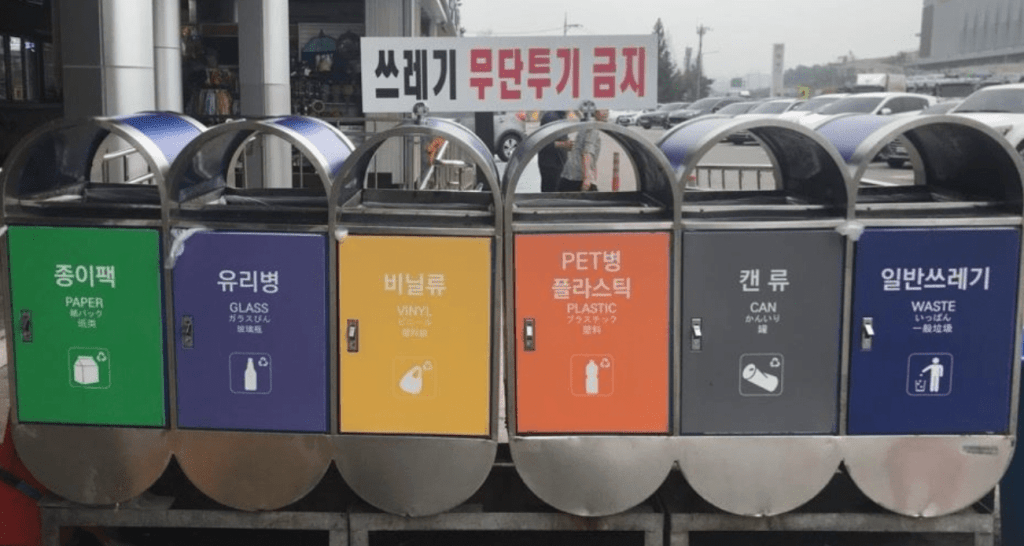
4.5 Recycling System
Korea has a meticulous and strict recycling system that may be confusing at first, but is deeply integrated into daily life. Waste is separated into categories such as general trash, food waste, recyclables (plastic, glass, metal, paper), and sometimes even sub-categories like styrofoam or vinyl. Specialized bags, which differ by region, must be purchased to dispose of general and food waste. Failing to separate waste correctly can result in fines or complaints from neighbors. This eco-conscious culture is admirable but may require some adjustment, especially if you’re used to a simpler system back home. Most apartment buildings have labeled disposal areas, and asking neighbors or your landlord for help early on is a smart move.

4.6 Smart City Features
Living in Korea often feels like stepping into the future. The country is globally recognized for its Smart City initiatives, particularly in Seoul. Free high-speed public Wi-Fi is widely available, and many public restrooms, libraries, and parks are equipped with IoT-powered features like automated lighting, air-quality monitoring, and even heated toilet seats. Apartment complexes often have keyless entry systems, digital parcel lockers, and smart home controls via mobile apps. While this tech-forward life can be dazzling, it may feel overwhelming at first for those unfamiliar with these systems. Still, it all adds up to a life of streamlined convenience once you get used to it.
5.Safety and Healthcare
5.1 Crime Rates
South Korea consistently ranks among the safest countries in the world, particularly for violent crimes, which are rare. Petty crime like pickpocketing is also minimal compared to other global cities, and women often feel safe walking alone at night in urban areas. CCTV coverage is widespread, including in public transport, parks, and alleyways, contributing to the sense of security. However, online crimes such as cyberbullying and financial scams do occur and are taken seriously by authorities. Foreigners should also be mindful of their visa status and local laws, as misunderstandings can escalate due to language barriers or unfamiliarity with Korean regulations.

5.2 Healthcare System
Korea’s healthcare system is modern, fast, and technologically advanced, with a strong emphasis on preventive care and early diagnosis. The National Health Insurance (NHI) program allows foreign residents with an ARC to access affordable healthcare services at both public and private hospitals. General check-ups, dental work, dermatology, and specialist services are easily accessible and relatively inexpensive. However, English-speaking staff may not be available everywhere, and medical vocabulary can be tricky. Expats often opt for international clinics in larger cities or bring a Korean-speaking friend when visiting local clinics. Pharmacies are abundant and well-stocked, although over-the-counter medicine is limited compared to Western countries.
5.3 Translation and Foreign Services
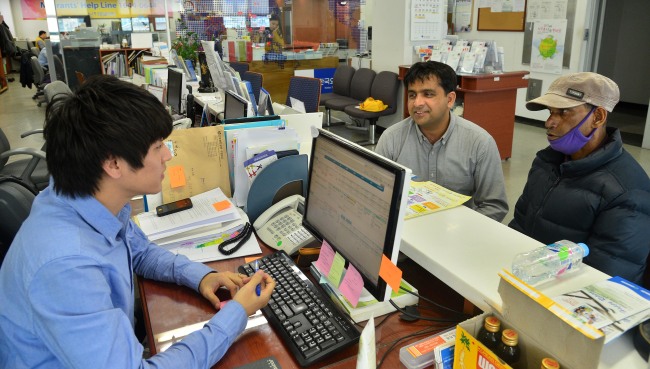
Many government and health institutions offer translation services to assist foreign residents. The Korea Immigration Service, public hospitals, and police departments often have English-speaking staff or provide interpretation via hotlines. Apps like Papago (developed in Korea) are highly reliable for daily translation needs, sometimes more effective than Google Translate for Korean. Seoul Global Center and other regional support hubs offer free language classes, legal aid, and employment counseling. Despite these resources, navigating bureaucracy can still be time-consuming and occasionally frustrating due to the emphasis on paperwork and official stamps.
5.4 Emergency Services
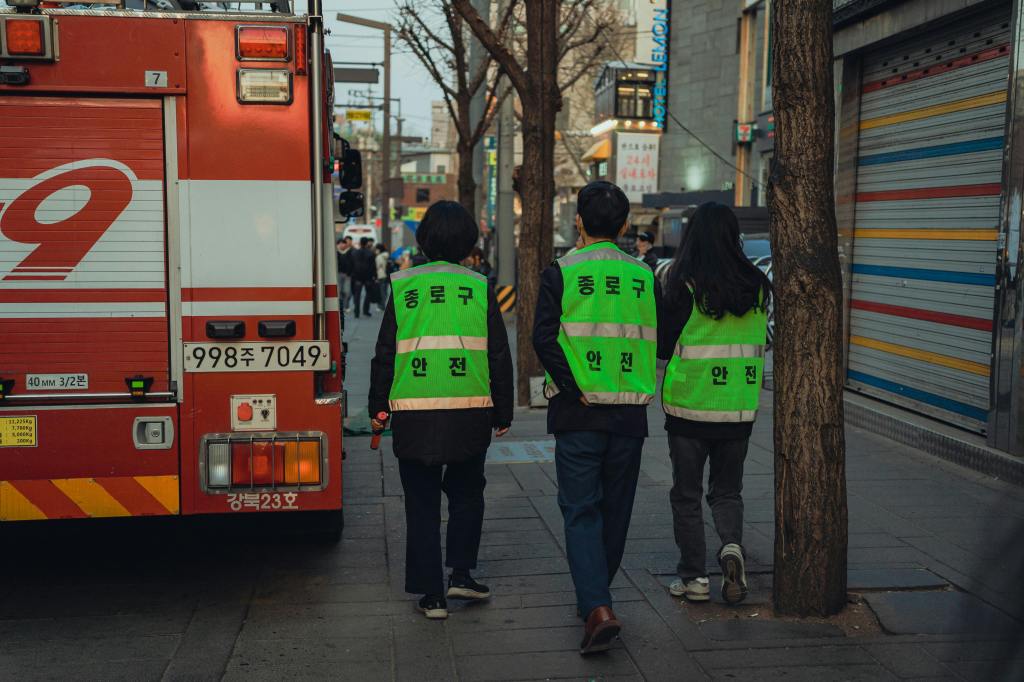
In emergencies, Korea has a reliable and fast response system. Dial 119 for fire and medical emergencies, and 112 for police. Dispatchers are trained to handle basic English, and interpretation services are available if needed. Hospitals accept emergency patients promptly, and the ambulance service is free in most situations. For non-urgent health issues, the 1339 hotline offers 24/7 health consultations in multiple languages. The Korean Meteorological Administration and city-specific apps provide timely alerts for natural disasters such as typhoons, heatwaves, or air pollution warnings—especially important during yellow dust season. It’s wise to install apps like the Emergency Ready App (by the Ministry of the Interior and Safety), which offers emergency instructions in English and other languages.
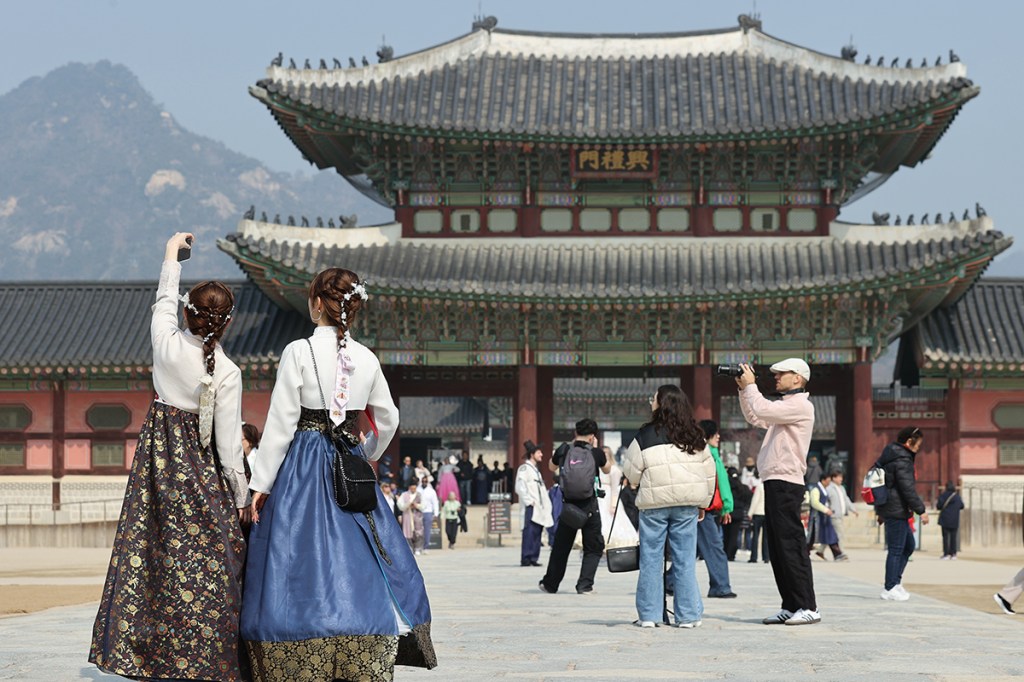
Embracing Life in Korea as a Foreigner
Living in South Korea as a foreigner comes with its fair share of challenges—but also immense rewards. From mastering a new language and adjusting to unique social norms, to enjoying fast internet, convenient delivery services, and vibrant cultural experiences, Korea offers a great environment that can be full of opportunity and growth.
Remember, adapting takes time. Don’t be too hard on yourself if you ever make mistakes, feel out of place, or face moments of homesickness. The most important thing is to stay open-minded, curious, and respectful of the culture around you.
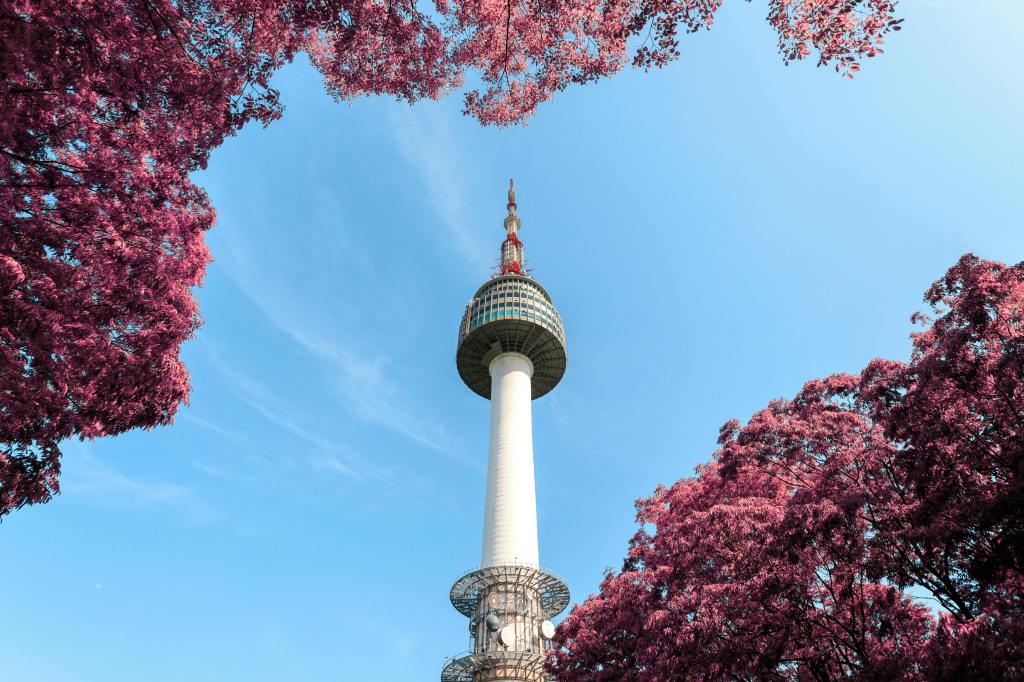
Tips for New Foreigners in Korea
- Learn basic Korean phrases early on—they go a long way in building rapport and navigating daily life.
- Get a T-money card and learn how to use Naver Map or KakaoMap to simplify travel.
- Always carry your ARC (Alien Registration Card) once you get it—it’s often needed for identification.
- Join expat communities on Facebook, Reddit, or Meetup to find support, friends, and advice.
- Don’t be afraid to ask questions—whether it’s about recycling, restaurant etiquette, or job processes.
- Be patient with bureaucracy; things may take longer than expected, especially when it comes to legal documents.
- Explore beyond Seoul! Korea’s charm extends into its countryside, historical towns, and coastal cities.

Frequently Asked Questions (FAQs)
1. Can I survive in Korea without speaking Korean?
Yes, especially in major cities like Seoul or Busan, where signs and transport systems are multilingual. However, speaking basic Korean greatly enhances your experience, from making friends to handling daily tasks more smoothly.
2. Is it easy to make Korean friends?
It depends. Many Koreans are friendly but shy when it comes to speaking English. Joining shared interest groups or language exchanges can break the ice. Making genuine friendships takes time, but it’s absolutely possible.
3. How do I find housing as a foreigner?
Real estate apps like Zigbang or Dabang are useful, but many listings are in Korean. Consider using a housing agency that caters to foreigners. Be prepared for a large deposit (jeonse or key money) and bring a Korean-speaking friend if possible to prevent any misunderstanding.
4. Are tattoos frowned upon in Korea?
Tattoos are becoming more accepted among youth, but they’re still considered taboo in some settings—especially in job interviews, (some) gyms, saunas, and usually around the older generations. Covering up tattoos in professional or traditional settings is still recommended.
5. What should I do if I get sick and don’t speak Korean?
Visit international clinics in major cities or use the 1339 health hotline for help in English. Bring translation apps or a Korean-speaking friend, especially for local clinics where English might not be spoken.
6. Can I drive in Korea with my foreign license?
Short-term visitors can use an International Driving Permit (IDP). Long-term residents usually need to convert their license or take a Korean driving test, depending on your home country’s agreement with Korea.
7. Is Korea LGBTQ+ friendly?
Korean society is slowly becoming more open-minded, especially among younger generations. However, LGBTQ+ topics remain sensitive, and legal protections are limited. Larger cities like Seoul have safe spaces and pride events, but discretion may still be necessary in certain environments.
8. Is pet ownership common and foreigner-friendly?
Yes, pet ownership is popular, especially in urban areas. There are plenty of pet cafes, pet-friendly parks, and vet clinics. That said, finding pet-friendly housing can be more difficult and expensive.
 Foreigner Living in Korea
Leave a comment