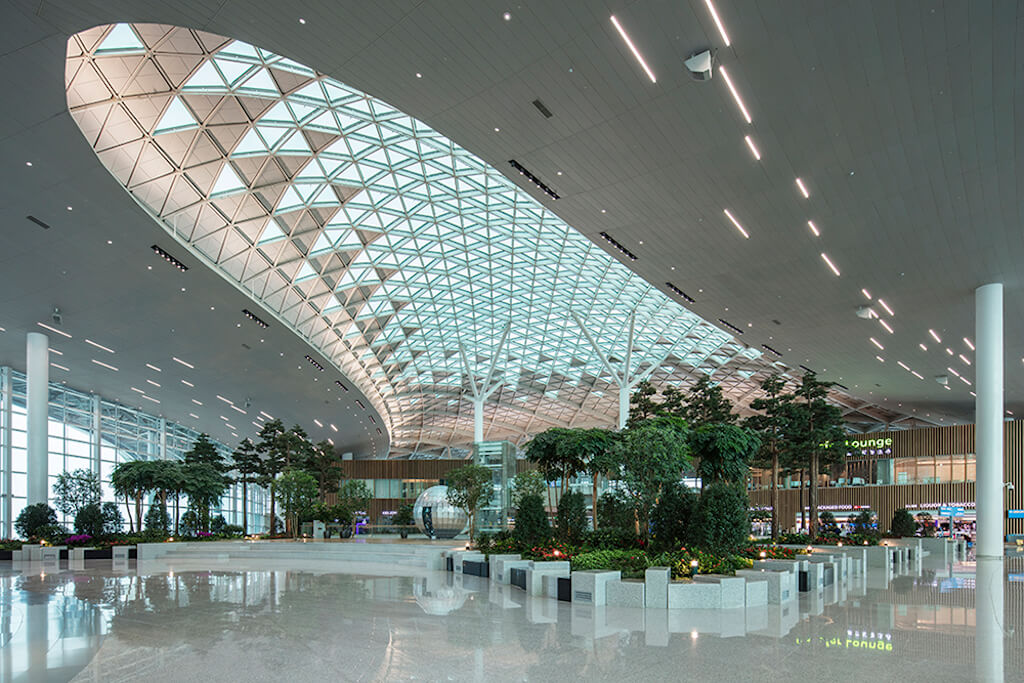
If you are planning to visit Korea soon, you have to be informed that there will be a scheduled strike by the unionized workers at 15 airports across the country. This could cause travel disruptions, especially since it coincides with one of Korea’s busiest holidays, Chuseok, when millions of people travel to visit family.
According to a press conference held on Tuesday, airport union members announced that they plan to stop work starting September 19 and continue until October 9, the end of the holiday. The strike will involve staff from the Incheon International Airport branch of the Korean Public and Social Services and Transport Workers’ Union (KPTU), as well as members of the national airport workers’ union. together representing around 15,000 employees.
For travelers, this means it’s important to stay updated on flight schedules, expect possible delays, and plan ahead in case services at airports are limited during this period.
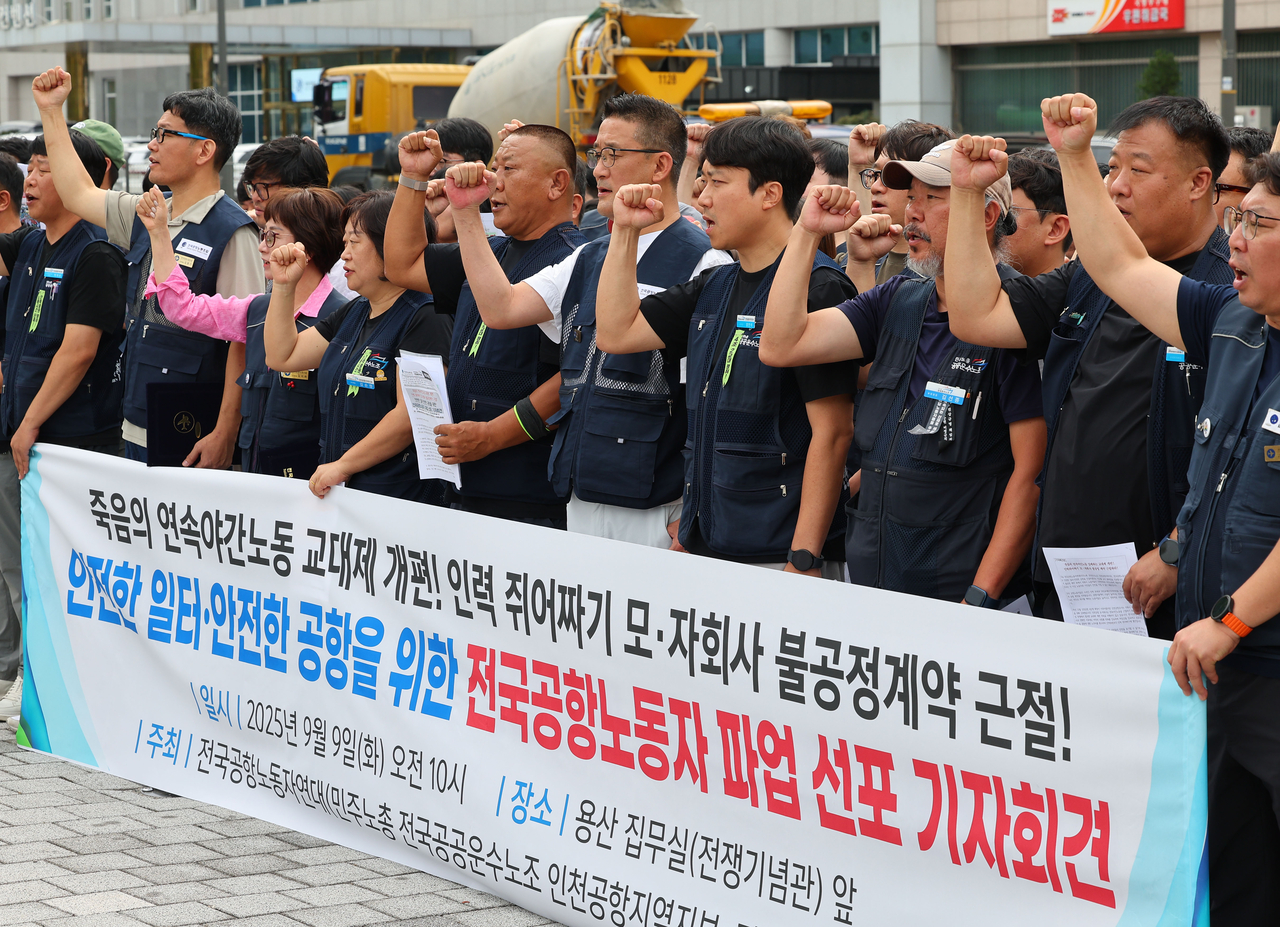
source: yonhap
Why are the airport workers going on strike?
The main issue behind the strike is the current shift system. At the moment, workers follow a three-team, two-shift schedule. This means two consecutive day shifts are followed by two consecutive night shifts, a tough routine when you’re running airports 24/7. The union is calling for a change to a four-team rotation, which would give employees more rest after night work and reduce fatigue.
On top of that, workers are also asking for more staffing. With Incheon Airport’s recent expansion, the workload has increased, but staffing levels haven’t kept at pace.
As one union representative put it: “Our demand is the minimal conditions of a safe workplace and a safe airport. Unless the Incheon International Airport Corporation and the Korea Airports Corporation show indications of a change, we will go ahead with the strike on Sept. 19.”
Health experts seem to agree that the concern is valid. A recent study by the Occupational Safety and Health Research Institute found that combining shift work and night shifts can increase health risks by over 50% compared to regular working hours.
What does this mean for travelers?
The workers set to join the strike are mainly responsible for critical airport operations, like maintaining facilities and runways. The good news is that flights themselves won’t be canceled, since Korean law requires air travel to continue even during strikes. However, with fewer essential staff, travelers should expect possible delays and service slowdowns.
The timing adds extra pressure. Chuseok, one of Korea’s biggest holidays alongside Lunar New Year, always means packed airports. This year, the holiday period stretches unusually long, up to nearly a week. Thanks to the overlap with National Foundation Day, a weekend, and Hangul Day.
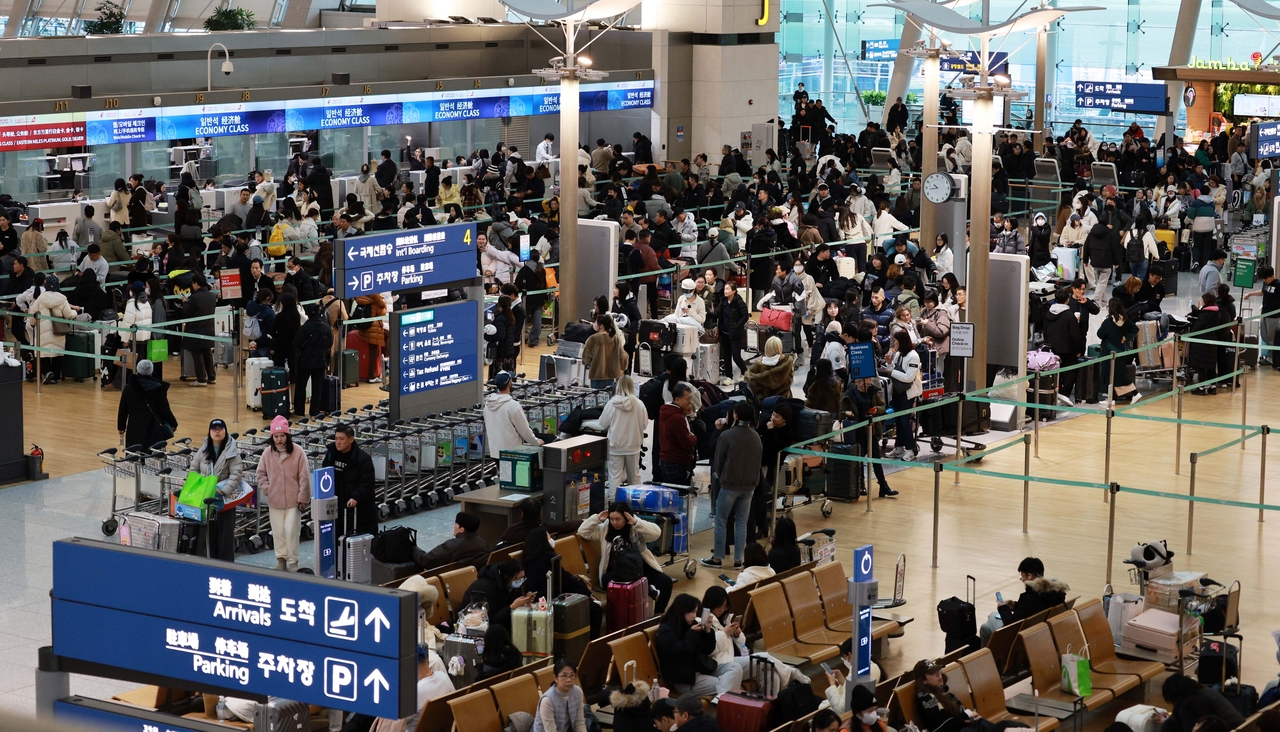
To put things in perspective, during the Lunar New Year holiday earlier this year, airports handled over 4.3 million passengers in just 10 days. Even then, without any strike action, some airports still saw delays of three to eight hours due to sheer passenger volume. With the strike planned for Chuseok, there’s a real risk of even longer waits this time around.
While the upcoming airport strike in Korea won’t completely shut down air travel, it does raise the risk of long delays and added stress during one of the busiest travel seasons of the year. If you’re planning to fly during Chuseok, the best approach is to plan ahead, stay flexible, and give yourself extra time at the airport.
Remember, millions of people will be traveling at the same time, so a little preparation can go a long way in making your journey smoother.
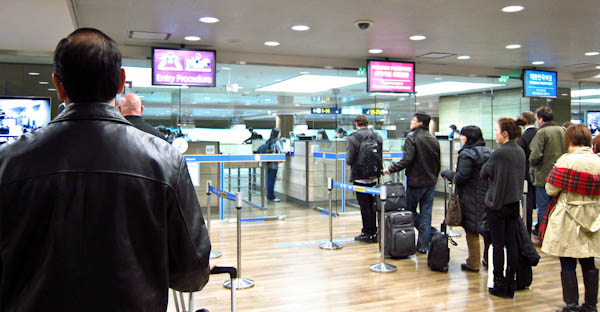
source: the seoul guide
Tips for Travelers During the Airport Strike
- Arrive early: Plan to get to the airport at least 3–4 hours before your flight. Security, check-in, and baggage handling may take longer than usual.
- Check your flight status regularly: Keep an eye on airline apps, websites, or text alerts for last-minute changes. Flight delays are more likely during this period.
- Travel light if possible: Minimize checked luggage. Long waits at baggage claim could be more common if fewer staff are available.
- Book flexible tickets: If you haven’t booked yet, consider airlines that allow free rescheduling or refunds in case your travel plans are disrupted.
- Consider alternative transport: For domestic travel within Korea, high-speed trains (KTX, SRT) and express buses can be more reliable during busy periods.
- Avoid peak travel days: If your schedule allows, try not to fly right before or after the main Chuseok holiday dates, when airports will be at their busiest.
- Pack essentials in your carry-on: Snacks, water, medication, and phone chargers can help if you end up stuck in long lines or delayed for hours.
- Stay updated on news: Follow Korean news outlets or your embassy’s travel advisory page for strike updates.
Stay tuned for more news and updates as the situation develops. We’ll continue to share the latest information to help you navigate your travel plans with confidence.
 Foreigner Living in Korea
Leave a comment