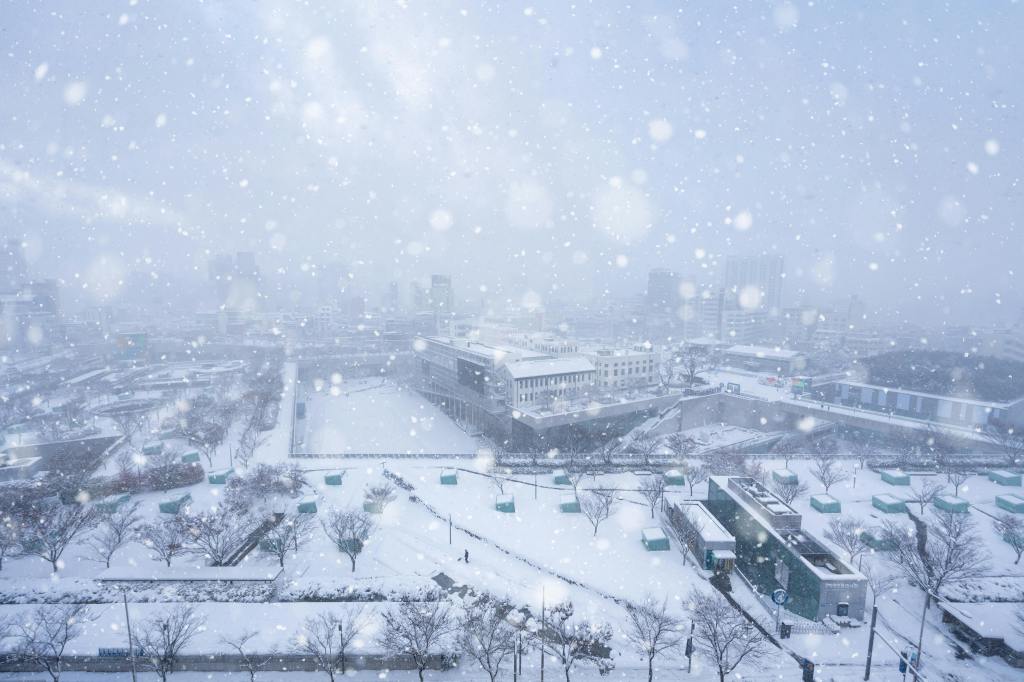
Korea’s winter cold waves are notoriously unforgiving. When Siberian air masses descend on the peninsula, temperatures can plummet to -15°C to -20°C, with wind chill making it feel even colder. If you’re living in a modern officetel, a traditional villa, or an older apartment complex, applying winterproofing measures can improve your home’s comfort while reducing energy consumption.
This guide is stuffed with practical solutions tailored specifically to Korean housing infrastructure.
1. Cover Your Windows
Your windows are basically holes in your wall letting heat escape. Even if you have double-glazed windows, they’re still the coldest part of your home.
What to do:
Bubble wrap trick: Go to Daiso, buy large bubble wrap (the kind with big bubbles), spray your window with a little water, and stick the bubble wrap directly on the glass. Sounds weird, looks a bit odd, but it works incredibly well and costs almost nothing. You can peel it off in spring with no damage.
Plastic film kits: These are those shrink-wrap kits you can get at Homeplus or order on Coupang for ₩15,000-30,000. You stick the plastic around your window frame and use a hairdryer to shrink it tight. Works even better than bubble wrap and looks clearer.
Why this matters: Just covering your windows can cut heat loss in half. That’s real money saved every month.
2. Stop the Drafts
Feel cold air coming in around your doors and windows? That’s literally your money flying outside. Every little gap adds up.
Quick fixes:
- Buy those foam weatherstripping rolls (문풍지) from any hardware store or Daiso for ₩5,000-15,000
- Stick them around your door frames and window edges
- Get a door sweep or just roll up a towel to put under your front door
- Check your balcony sliding door – the tracks are usually drafty as hell
The easy test: On a windy day, hold up a lit incense stick or lighter near doors and windows. If the smoke blows around, you’ve got a draft to seal.
3. Put Rugs and Mats on Your Floors
Even with ondol heating, uncovered floors lose heat. Plus, rugs just feel warmer when you walk on them.
What works:
- Thick rugs in your living room and bedroom
- Foam mats in areas where you sit a lot (at your desk, on the sofa)
- Those cheap foam puzzle mats work great and you can find them everywhere
Pro tip: Don’t cover your entire floor though – your ondol needs some exposed floor to heat efficiently. Cover maybe 60-70% max, focusing on where you actually walk and sit.
4. Use Your Ceiling Fan Backwards (If You Have One)
Hot air rises. Your ceiling is probably 3-4 degrees warmer than where you’re sitting.
What to do: If you have a ceiling fan, there’s usually a switch that makes it spin the other way (clockwise when you look up at it). Run it on low speed in winter. This pushes the hot air back down to where you actually are.
5. Close Off Rooms You’re Not Using
Why heat your whole apartment when you’re only using the living room and bedroom?
Simple strategy:
- Close doors to rooms you’re not in
- Focus your heating on the spaces you actually use
- Your spare room, storage area, or that bedroom nobody sleeps in? Close it off.
Real talk: You’re probably wasting ₩500-800 a day heating empty rooms. That’s ₩150,000-240,000 over a winter season just to keep rooms warm that nobody’s in.
6. Set Your Ondol Properly (Stop Wasting Money)
Most people use their ondol wrong. They turn it way up when they’re cold, then turn it off when they leave. This is the most expensive way to use it.
Better way:
When you’re at work: Set it to 18°C, not off completely When you’re home: 21-22°C When you’re sleeping: 19°C is plenty – you’re under blankets anyway
Why: Your ondol uses way more energy heating up a cold apartment than just maintaining a lower temperature. Think of it like your car – constantly stopping and starting uses more gas than steady driving.
If it’s really cold (below -10°C): Keep it at least 16-17°C even when you’re out. Otherwise your pipes might freeze, which is a ₩300,000+ nightmare.
7. Hang Heavy Curtains and Actually Close Them
Windows lose heat like crazy, especially at night.
What to do:
- Get thick curtains – the heavy, lined ones that feel substantial
- Close them when the sun sets
- Open them during the day to let sunshine in (free heating!)
- Make sure your curtains are wide enough to cover the whole window plus a bit extra on each side
Cheap option: If you can’t afford fancy thermal curtains, even just hanging thick blankets or those cheap fleece blankets from Homeplus will help.
8. Heat Yourself, Not the Whole Room
This is the real secret to staying warm cheaply. Instead of cranking your ondol to 25°C, keep it at 19°C and use targeted heating.
Korean essentials:
Electric heating mat (전기장판): Costs ₩30,000-80,000, uses barely any electricity, keeps you toasty. Put it under your desk, on the sofa, or next to your bed. Running one all day costs about ₩500-700 in electricity vs. ₩5,000+ to heat the whole apartment warmer.
Heated blanket: Same idea. Warm yourself directly.
USB heating pads: Great for your desk if you work from home. Super cheap to run.
The strategy: Keep your apartment at a reasonable temperature (18-19°C) and use these personal heaters where you’re actually sitting. Your heating bill will drop by 30-40%.
9. Open Interior Doors When Heating, Close Them When Not
This seems backwards but works.
When your ondol is running: Keep bedroom and bathroom doors open a crack (5-10cm). This lets warm air circulate through your whole place instead of creating hot and cold spots.
When you’re using a space heater or heating mat: Close the door to the room you’re in to trap the warmth.
Always close doors to:
- Your balcony (if it’s not heated)
- Bathrooms when showering
- The entryway when someone just came in from outside
10. Seal the Sneaky Air Leaks
There are hidden gaps in your apartment letting cold air in that you probably don’t even know about.
Check these spots:
Electrical outlets: They go straight through your wall to the outside. Buy those foam gasket things from Daiso for ₩3,000-5,000 and put them behind your outlet covers.
Around pipes: Check under your sink where pipes come through the wall. See gaps? Fill them with that removable caulk or foam strips.
Ventilation holes: Your kitchen hood and bathroom fan have openings to the outside. When not using them, cover them with magnetic vent covers or even just tape and cardboard in a pinch.
Air conditioner units: Gaps around your system AC unit let in cold air. Seal them up for winter.
The smell test: Can you smell food from the hallway when your door is closed? Can you smell cigarette smoke from neighbors? Those smells come through gaps – which also let cold air in.
Bonus Tips That Actually Matter
Keep Your Pipes from Freezing
When it gets really cold (-10°C or colder), frozen pipes are a real danger.
Do this:
- Open cabinet doors under sinks so warm air can reach the pipes
- Let your taps drip just slightly (pencil-thin stream) during the coldest nights
- Never let your apartment get below 15°C, even if you’re away
Why: A dripping tap costs maybe ₩500-800 overnight. A burst pipe costs ₩300,000+ to fix, plus water damage. Easy choice.
Add Some Humidity
Dry air feels colder. Ever notice how 20°C feels freezing in winter but comfortable in summer? Humidity is part of why.
Easy fixes:
- Run a humidifier (they’re cheap on Coupang)
- Hang your laundry to dry inside
- Leave bathroom door open after hot showers
- Put bowls of water near your ondol vents
Keep it between 40-50% humidity. Too much (over 55%) and you’ll get condensation and mold on windows.
Use Sunshine (It’s Free Heat)
South-facing windows in winter sun can add serious heat to your home – completely free.
What to do:
- Open curtains wide from 11 AM to 3 PM on sunny days
- Clean your windows before winter (dirty windows block heat)
- Close everything up about 30 minutes before sunset to trap the warmth
The Reality Check: What Actually Works Best
You don’t need to do everything on this list. Here’s what gives you the most bang for your buck:
If you only have ₩50,000 to spend:
- Window film or bubble wrap (₩15,000-30,000)
- Weatherstripping for doors (₩10,000-20,000)
- Draft stoppers (₩5,000-15,000)
This alone will cut your heating bill by 20-25%.
If you have a bit more (₩100,000-150,000): Add an electric heating mat and thick curtains. Now you’re saving 30-40% on heating.
If you own your place and can invest more: Do everything on this list over the course of a month. You’ll save 30-40% on heating costs every single winter from here on out.
The truth: Most Korean apartments are pretty poorly insulated, especially older ones. But with these simple fixes, you can make a huge difference. You’ll be warmer, your bills will be lower, and you won’t be sitting at home in a winter coat anymore.
Start this week: Pick 2-3 things from this list. Go to Daiso or order on Coupang. Spend an hour or two setting things up. You’ll notice the difference immediately and thank yourself when your heating bill comes.
Stay warm out there – Korean winters are no joke, but you don’t have to suffer through them or go broke heating your place.
The next cold wave is coming. Will you be ready?
Share this guide with anyone who needs it, and let us know in the comments which tip you’re trying first.
 Foreigner Living in Korea
Leave a comment