Seollal, Korea’s Lunar New Year, is one of the country’s most significant holidays, celebrated with great enthusiasm and rich traditions. This festive occasion is a time for family reunion, ancestral respect, and fresh starts, where loved ones come together to honor their ancestors through meaningful rituals and delicious feasts. Special dishes such as tteokguk (rice cake soup) are served, symbolizing the gaining of a year in age and the hope for prosperity in the coming year. Here’s what you need to know about Seollal 2026, whether you’re planning travel, attending cultural events, or simply want to understand the tradition. This year’s festivities are expected to be particularly vibrant, with various local events showcasing traditional music, dance, and even folk games that span generations, allowing visitors to immerse themselves fully in the cultural experience.
Seollal falls on Tuesday, February 17, 2026.
The holiday is celebrated over three days in South Korea:
- Monday, February 16 – the day before
- Tuesday, February 17 – Seollal day
- Wednesday, February 18 – the day after
Because Seollal follows the lunar calendar, the date shifts annually.

Why is Seollal an Important Day to Celebrate in Korea?
Unlike Western New Year’s Eve parties and countdowns, Seollal centers on family, tradition, and honoring ancestors. It marks the lunar calendar’s reset and symbolizes renewal, respect, and hopes for good fortune in the year ahead. For many Koreans, Seollal represents the most important family gathering of the year, even more significant than Chuseok (Korean Thanksgiving). Millions travel across the country to return to their ancestral hometowns, creating what’s known as minjok daeyido (the great migration of the people). The holiday is about sitting together at the family table, remembering those who came before, and setting intentions for what’s ahead.
5 Ways to Celebrate Seollal this 2026
1. Eat Tteokguk (Rice Cake Soup)

Finishing a bowl of tteokguk on Seollal morning is a symbolic act of aging and renewal. The white, oval rice cakes represent coins and purity, while the clear broth symbolizes starting the year with a clean slate. Each bowl represents adding one year to your age in the traditional Korean counting system, which is why Koreans often joke about eating multiple bowls to “age faster” or skipping it to “stay young.” The soup is typically garnished with egg, beef, and vegetables, and families often prepare it together the night before using a recipe passed down through generations.
2. Perform Sebae (Traditional Bow)
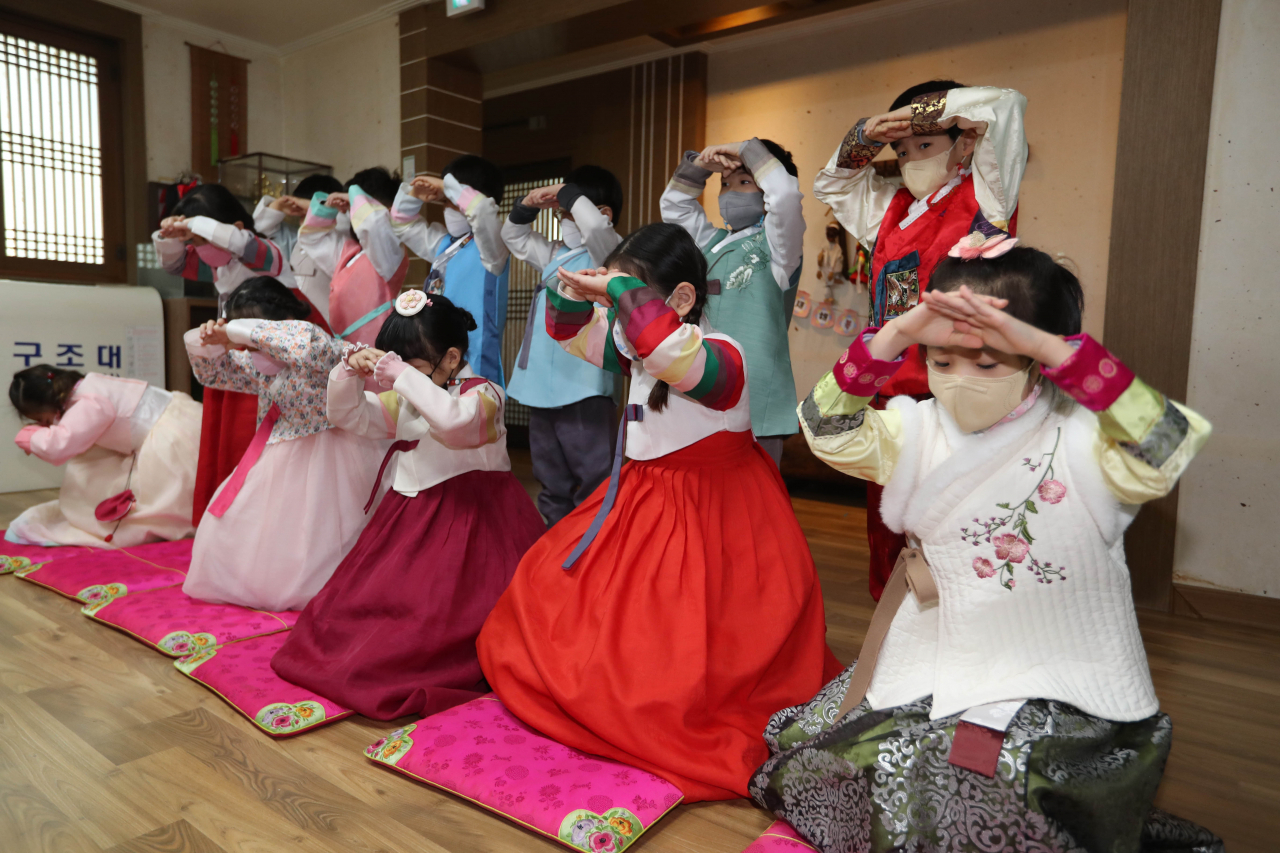
Sebae is the heart of Seollal’s intergenerational connection. Children and younger family members kneel and bow deeply to their elders, touching their foreheads to the ground in a gesture of profound respect. In return, elders offer deokdam—words of wisdom and blessings for health, success, and happiness in the coming year—along with sebaetdon, crisp bills tucked into colorful envelopes. It’s not transactional; it’s a moment where respect flows downward and wisdom flows upward, reinforcing family bonds and cultural continuity. Even adult children perform sebae to their parents, making it a lifelong practice rather than just a children’s ritual.
3. Wear a Hanbok

Wearing hanbok during Seollal transforms the day from ordinary to ceremonial. Traditional hanbok features vibrant colors, elegant lines, and intricate embroidery, with women wearing jeogori (jacket) and chima (skirt) while men wear jeogori and baji (pants). Modern hanbok has gained popularity among younger generations, blending traditional silhouettes with contemporary fabrics and simpler designs that are easier to move in. Many families coordinate colors or styles for photos, creating a visual celebration of Korean heritage. Even if you’re not Korean, wearing hanbok respectfully during Seollal events or palace visits shows cultural appreciation and often earns warm smiles from locals.
4. Play Korean Traditional Games
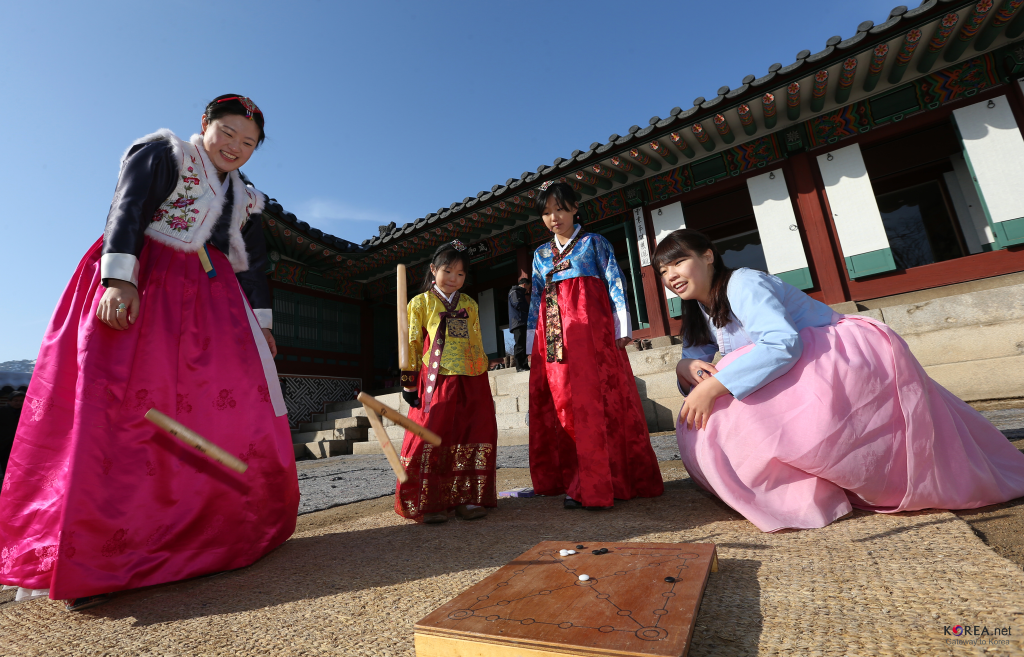
Traditional games turn Seollal from a formal occasion into genuine fun. Yutnori, a board game played with wooden sticks, gets surprisingly competitive as family members race their pieces around the board. It’s simple enough for children but strategic enough to engage adults. Jegichagi involves kicking a paper shuttlecock to keep it airborne, while tuho challenges players to toss arrows into a narrow jar. These games require no electricity, no screens, and minimal equipment, making them perfect for multigenerational gatherings where a grandmother and her grandson can compete on equal footing. The laughter and friendly trash talk that emerge during these games often become the most treasured Seollal memories.
5. Honor Ancestors
source korea.net
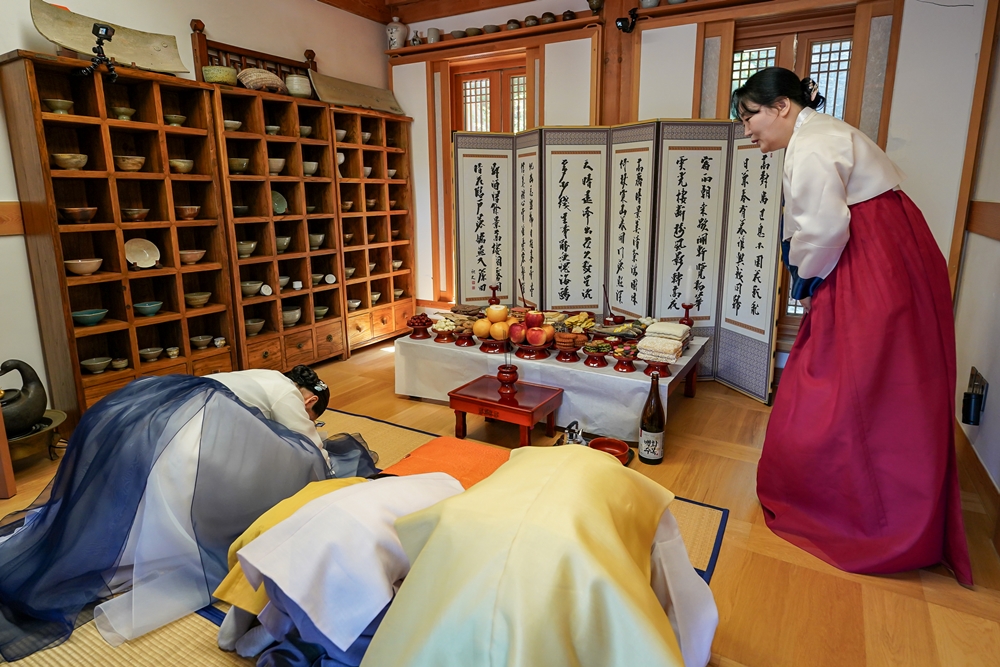
Charye, the ancestral memorial ritual, typically happens early on Seollal morning before the family eats. Families arrange specific food like fish, meat, vegetables, rice, and fruits on a table in a precise order according to Confucian tradition, then bow together to honor deceased family members. Some families visit ancestral gravesites to clean the area and pay respects, a practice called seongmyo. Even if you don’t perform formal rituals, Seollal is a natural time to reflect on family history, share stories about relatives who’ve passed, or simply acknowledge the sacrifices previous generations made. For many modern Koreans, especially those living abroad, this reflection takes simpler forms; looking through old photos, calling elderly relatives, or cooking a dish a grandparent once made.
Are You Visiting Korea this Seollal 2026?
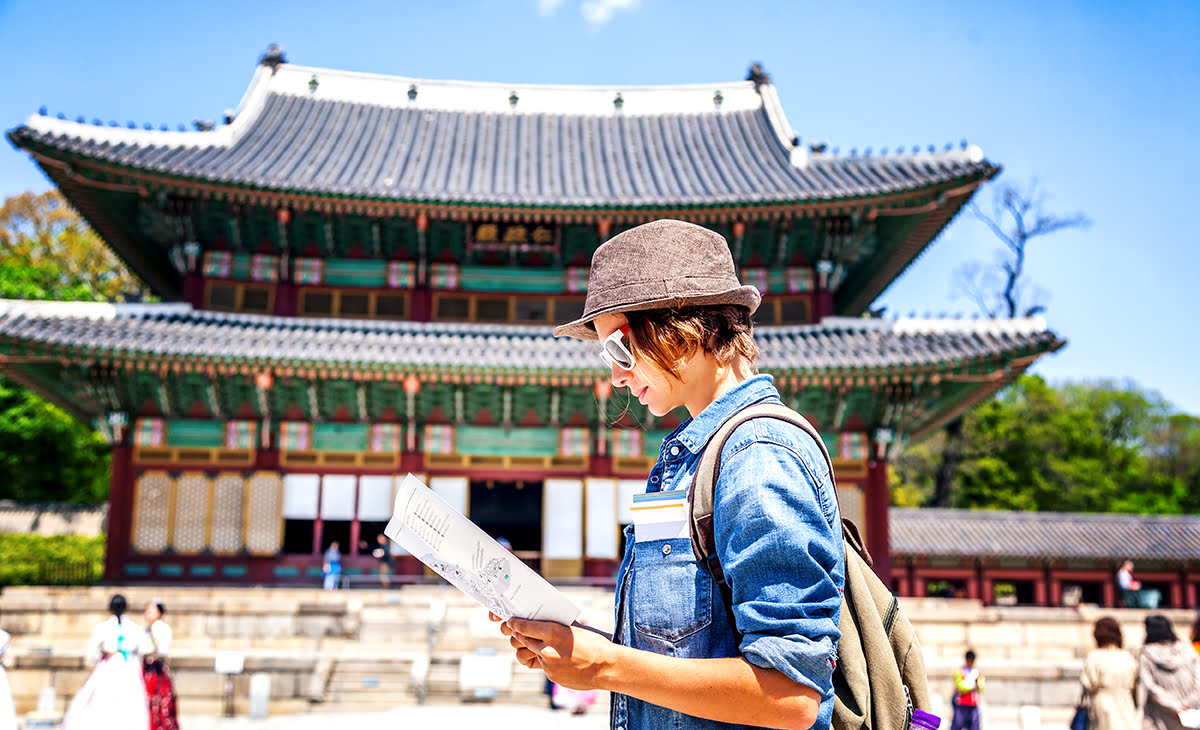
Seollal transforms Korea’s usual rhythm completely. Train and bus tickets sell out weeks in advance as millions travel to their hometowns, creating some of the year’s worst traffic. What’s normally a two-hour drive can take six or seven hours. Most small businesses, restaurants, and shops close for the three-day holiday, though major tourist attractions, palaces, and museums often run special cultural programs including free hanbok experiences, traditional performances, and folk game demonstrations. Cities like Seoul feel unusually quiet, almost eerie, as residents leave for the countryside. If you’re visiting, book transportation and accommodation early, expect limited food options, and embrace the slower pace. It’s a rare chance to see Korea in a completely different mode.
 Foreigner Living in Korea
Leave a comment